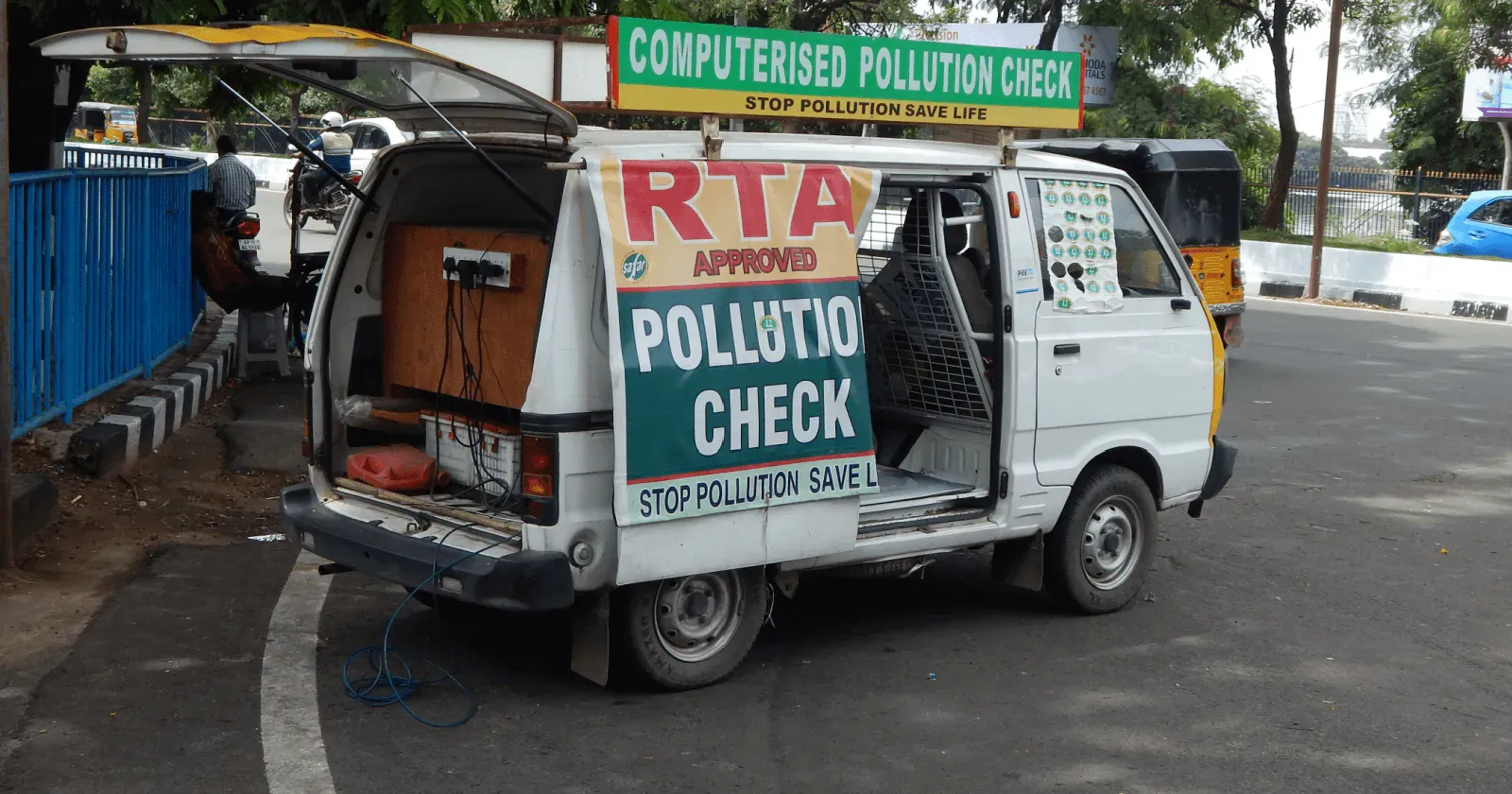
The Ministry of Road Transport and Highways has notified revised rules on the validity of Pollution Under Control (PUC) certificates, allowing longer renewal intervals for newer Bharat Stage-VI (BS-VI) vehicles. The changes were announced in New Delhi on November 19, 2026, through the Central Motor Vehicles (Sixteenth Amendment) Rules, 2026.
The new framework links PUC validity to three factors: the vehicle’s emission norm, its age from the date of first registration, and whether it is a private (non-transport) or commercial (transport) vehicle. The amendment aims to reduce the compliance burden on owners of cleaner, relatively new vehicles and to match testing frequency to a vehicle’s age and emission standard.
For private BS-VI vehicles, the certificate is now valid for three years if the vehicle is up to six years old. Vehicles aged more than six and up to ten years need annual renewal. Those older than ten years must renew every six months.
For commercial BS-VI vehicles, the certificate is valid for two years if the vehicle is up to six years old. Vehicles aged more than six and up to ten years need annual renewal. Commercial vehicles older than ten years must renew every six months.
Vehicles that meet older emission norms face shorter validity periods. BS-I, BS-II and BS-III vehicles must renew every three months, while BS-IV vehicles need a new certificate every six months. These periods apply uniformly across the country. Every vehicle must hold a valid PUC certificate issued or renewed by an authorised agency of the state government, and owners must produce it on demand when asked by authorised officers.
The rules also set out transitional arrangements. Certificates issued before the amendment took effect will follow the new validity schedule only from the date of their first renewal after the rules came into force. If an owner applies for renewal within the ten days before the existing certificate expires, the new certificate will take effect from the expiry date of the previous one. If renewal is sought after expiry, the new certificate will be valid only from the date of renewal.
The amendment revises Rule 115 of the Central Motor Vehicles Rules, 1989, and came into force upon its publication in the Official Gazette. Officials have described the move as a step toward a more efficient certification regime that eases pressure on owners of newer, lower-emitting vehicles while continuing to monitor older and potentially more polluting ones. Vehicle owners are advised to check their registration date and emission standard to find the renewal cycle that applies to them.