
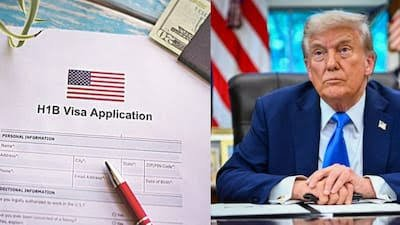
The Trump administration has proposed eliminating the 60-day grace period currently available to H-1B visa holders after they lose their jobs. The Department of Homeland Security announced this significant change that could impact thousands of foreign skilled workers, particularly Indian professionals working in the United States. Under the current system, temporary visa holders can remain in the country for up to 60 days after employment termination to search for new jobs or make departure arrangements. The proposed rule would require workers to leave the country almost immediately after losing their employment, drastically reducing the time available to secure new sponsorship or transfer their visa status.
The grace period was introduced in 2017 and has served as a crucial safety net for foreign workers facing sudden job loss. This buffer time allows affected workers and their families to manage critical matters including housing arrangements, children’s education, travel bookings, and relocation planning. The elimination of this provision would create immediate pressure on both workers and their families, forcing rapid decisions during an already stressful period. Immigration experts have highlighted that the grace period also provides employers with necessary time to complete immigration-related paperwork and procedures when separating from foreign employees.
Indian professionals stand to be among the most affected by this proposed change, as they constitute a substantial portion of H-1B visa beneficiaries in the United States. The technology sector, consulting firms, and IT services companies have historically relied heavily on the H-1B programme to recruit skilled international talent. These industries often face specialized skill requirements that may not have readily available domestic alternatives. The proposed rule change could disrupt workforce planning and talent management strategies for numerous American companies that depend on foreign skilled workers.
The proposed changes extend beyond H-1B visa holders to affect multiple visa categories. Workers on L-1, O-1, H-1B1, E-1, E-2, and E-3 visas would also face the same immediate departure requirements. Additionally, certain TN professionals from Canada and Mexico working in the United States under the USMCA agreement could be impacted. This broad application of the rule change indicates a comprehensive shift in how the administration approaches temporary foreign worker programmes across various employment-based visa categories.
The Trump administration has justified the proposal by stating it aims to create greater opportunities for qualified American workers. Officials argue that the current grace period may allow foreign workers to remain in the country longer than necessary, potentially taking jobs that could go to U.S. citizens. However, business groups and immigration attorneys have raised concerns that specialized positions often require specific expertise that cannot be immediately filled by domestic workers. They warn that the proposed change could harm American companies’ competitiveness and ability to maintain critical operations that depend on specialized international talent.
The proposal is currently not finalized and remains subject to public input. The Department of Homeland Security is expected to open a 60-day public comment period, during which stakeholders including businesses, immigration advocacy groups, and affected individuals can submit feedback. Following this comment period, the department will review submissions and decide whether to implement the rule as proposed, make modifications, or withdraw it entirely. The final decision and any subsequent implementation timeline will determine when and how these changes might take effect for foreign workers currently in the United States.
