
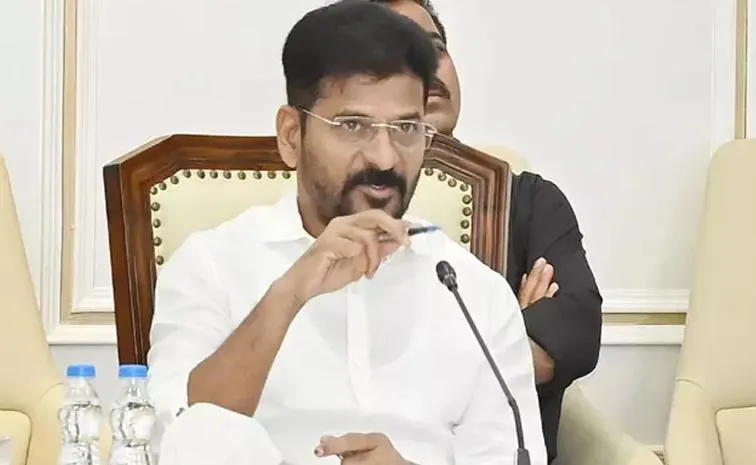
The Telangana government has taken decisive steps to eliminate huts across the state, with the Cabinet approving the second phase of the Indiramma Housing Scheme to provide homes to 2.5 lakh poor families. The government identified approximately 15,000 families still living in huts through various surveys conducted across Telangana, and has decided to immediately issue sanction letters to all such families under the housing scheme.
Under the second phase, the Cabinet decided to allot 2,000 houses per Assembly constituency across the state. The government will also complete unfinished Indiramma houses that were started during the undivided Andhra Pradesh Congress government. Financial assistance of ₹3 lakh will be provided for houses where foundations are completed but walls or slabs are pending, while ₹2 lakh will be given for houses where walls are completed but slab works remain unfinished.
Funds have been approved for completion of 500 incomplete Indiramma houses in each constituency. Nearly 1 lakh houses taken up in the first phase are expected to have housewarming ceremonies by June 2. The Cabinet decided to inaugurate 28 Indiramma houses built for Kolam tribal families at Kothari village in Kerameri mandal of Kumuram Bheem Asifabad district on June 1, with Chief Minister Revanth Reddy, Deputy Chief Minister Bhatti Vikramarka and ministers participating in the programme.
The Cabinet also approved construction of 1 lakh LIG (Low Income Group) houses across 24 constituencies within the Hyderabad Metropolitan area limits. In preparation for the Godavari Pushkaralu scheduled from June 26 to July 7 next year, the Cabinet approved ₹1,000 crore for related works, with a first installment of ₹300 crore already sanctioned.
The Cabinet approved Telangana DISCOM proposals to join the Centre’s RDSS scheme for strengthening power distribution and infrastructure. The midday meal scheme will be extended to all Junior Colleges in Telangana, and the government decided to provide breakfast and milk to students in all Junior Colleges, in addition to school students. The Cabinet also approved merger of DCMS entities into MARKFED, and Telangana Rural Infrastructure Corporation (TGRIC) will be merged with HAKA.
For the Palamuru-Rangareddy Lift Irrigation Scheme, the Cabinet approved ₹587 crore for land acquisition, rehabilitation and infrastructure facilities. This allocation aims to expedite the critical irrigation project that will benefit farmers across multiple districts.
In a major policy initiative, the Telangana Cabinet approved the Next Generation Life Sciences Policy 2026-30, with the state government aiming to make Telangana one of the world’s top five life sciences hubs by 2030. The policy targets attracting $25 billion investments and generating 5 lakh jobs over the next five years in life sciences, pharma, biotech and medical innovation sectors.
The new policy will shift focus from only manufacturing to high-value innovation, with R&D units being recognized as industries. The government plans to create opportunities for youth in research, manufacturing, digital health and global innovation sectors, and expects to attract Global Capability Centres (GCCs) and Global Innovation Centres to Telangana.
