
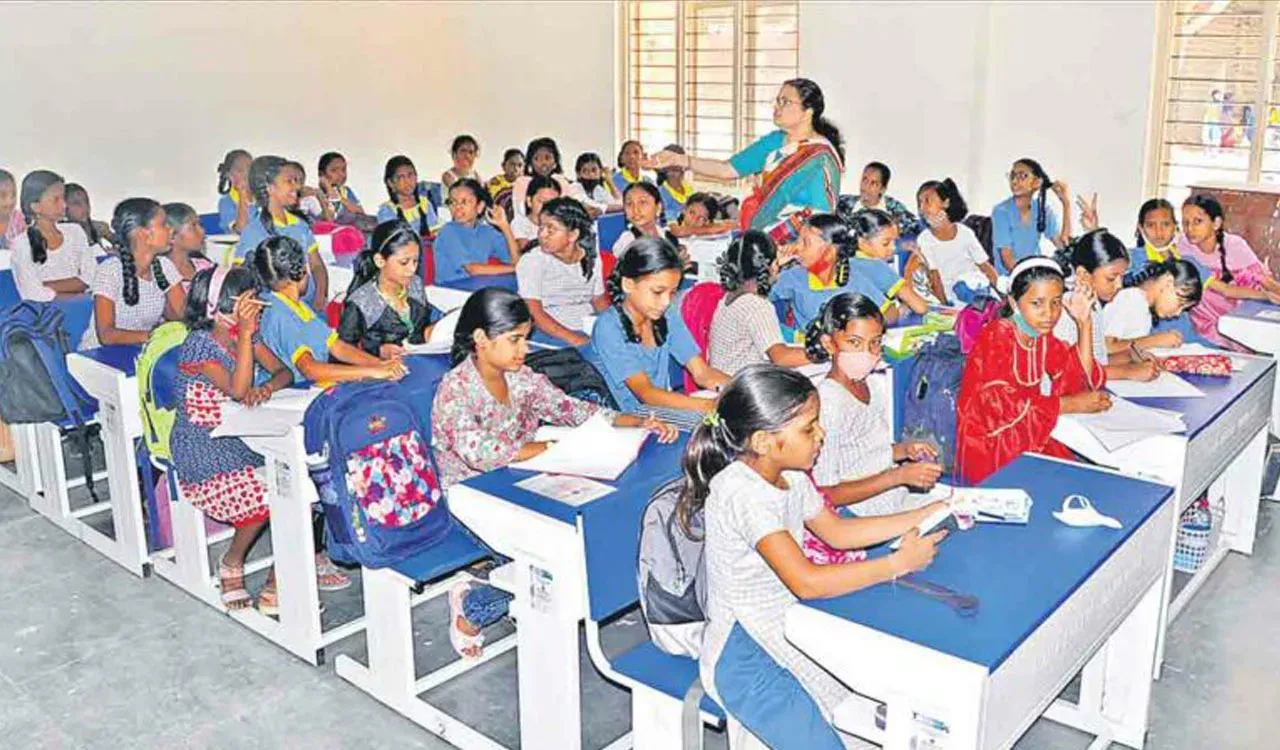
Telangana plans to bring Intermediate education into the school system from the 2027–28 academic year. This would end a 55-year arrangement in which students leave school after Class 10 and join a separately run junior college. Chief Minister A. Revanth Reddy directed officials on November 11 to implement the shift. He did so at a review with Chief Secretary Sanjay Jaju, government adviser K. Keshava Rao and senior Education Department officials.
The state would adopt a 10+2 structure with three stages: primary (nursery or kindergarten to Class 4), secondary (Classes 5 to 8) and senior secondary (Classes 9 to 12). Intermediate first and second year, now run by the Telangana Board of Intermediate Education (TGBIE), would become Classes 11 and 12 under the School Education Department. The structure is a three-stage school model, not the National Education Policy’s 5+3+3+4 design, though the government had earlier linked the merger idea to NEP 2020. The government says the aim is to reduce dropouts after Class 10, especially among girls and students from Dalit, tribal and minority communities. It also wants to align Telangana with CBSE, ICSE and other states that teach up to Class 12 in schools.
TGBIE secretary Abhilasha Abhinav has said no syllabus change is currently planned. Students now in Intermediate will continue under the existing syllabus and receive Class 12 results, even if the examining body’s name changes. An official said current batches “will not be disturbed” and could still change institutions after Class 10. Schools may add Classes 11 and 12, and junior colleges may add Classes 9 and 10. Affiliation rules have not been notified. More than 11,000 schools offer education up to Class 10, against around 3,500 junior colleges.
The future of the Board is not settled. Officials told Telangana Today that TGBIE would “cease to exist” after integration, with a common Telangana School Education Board handling academics and exams for Classes 9 to 12. Ms Abhinav has said the Board is “unlikely to be abolished” and that examination units would continue, “though their nomenclature may change.” No decision has been taken on holding public exams only for Classes 10 and 12. The Telangana Education Commission had recommended the merger, and a 2026–27 start was deferred in May.
Intermediate education was introduced in undivided Andhra Pradesh in 1969–70, following the Kothari Commission. Officials met junior college representatives on November 16. A Bill is expected in the Assembly’s winter session next month to amend the Telangana Education Act, 1982, and repeal the Intermediate Education Act, 1971, according to Telangana Today and education sources quoted by ETV Bharat. ETV Bharat also reported a longer rollout: 96 government junior colleges would be upgraded as Telangana Public Schools in 2027–28 and converted into integrated schools by 2029–30. These figures have not been issued as a formal government order.
Dropout figures differ. The Chief Minister has spoken of about 40 per cent after Class 10. Ms Abhinav, citing UDISE data, put the rate at 16 per cent after Class 10 and 25 per cent after Classes 9 and 11. Mr Reddy has said the employment and retirement benefits of junior college staff will not be affected. Lecturers’ associations remain concerned about roles and recruitment. Recognised schools have asked to upgrade to senior secondary classes, while standalone private junior colleges may have to add lower classes or expand infrastructure.
The Bharat Rashtra Samithi has opposed the move. In an open letter on November 13, BRS MLC Dasoju Sravan said the Chief Minister had acted without a Cabinet decision, a Bill or legislative discussion. He said the change would affect about 10 lakh students and 1,750 junior colleges. He argued that corporate school groups such as Narayana and Sri Chaitanya would benefit, and alleged links to interests tied to the Chief Minister’s family. The BRS has demanded a white paper, an Assembly debate and an expert committee. The Intermediate Education Joint Action Committee, led by Dr P. Madhusudhan Reddy, has also opposed the merger and warned of protests without consultation. The Communist Party of India has urged the government not to act in haste. No formal BJP response was found in the reports reviewed.
The Telangana State United Teachers’ Federation has welcomed the plan for students. “We welcome the decision to introduce Classes XI and XII in secondary schools,” TSUTF president Chava Ravi said, while flagging promotion issues and space constraints. Private junior college managements said they could support the reform if stakeholders were consulted. Recognised school managements asked for a transparent upgrade process. The government is preparing draft guidelines and, according to education-department sources, will seek public comments within about 15 days. Until a law is passed and the policy is notified, the 10+2 shift remains a government decision under implementation, not a completed legal change. Affiliation, teacher qualifications, subject combinations such as MPC and BiPC, and the Class 11 public examination are yet to be clarified.
