
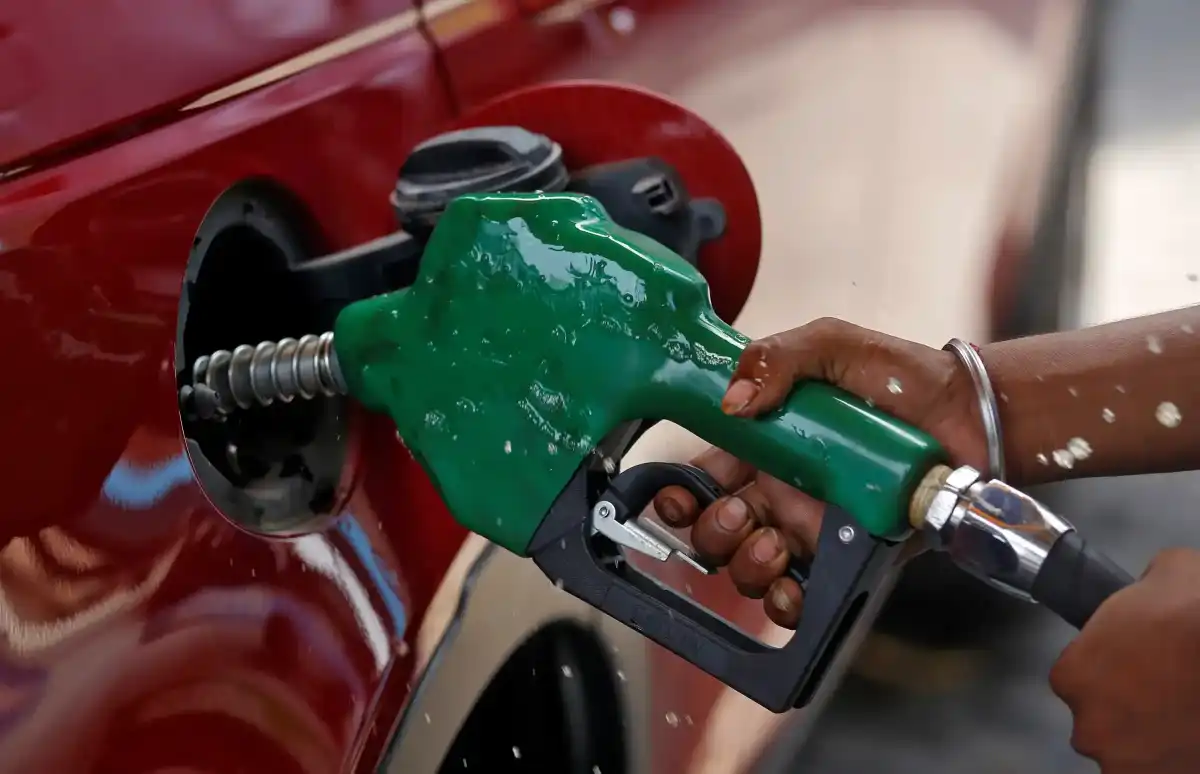
New Delhi: India’s nationwide rollout of E20 petrol—fuel containing 20% ethanol and 80% petrol—has sparked one of the biggest public debates in the country’s automobile sector in recent years. With motorists reporting reduced fuel efficiency, concerns over engine compatibility, and rising maintenance worries, questions are now being raised over whether the Central Government will reconsider or roll back the policy.
As criticism grows across social media and among vehicle owners, the government has defended the ethanol blending programme, maintaining that it remains a key pillar of India’s energy security and environmental strategy. So far, there has been no indication that the Centre plans to withdraw the E20 programme. Instead, officials have been attempting to address public concerns through clarifications and technical explanations.
Why Is There a Backlash?
The biggest complaint from motorists is a noticeable drop in fuel mileage. Many vehicle owners claim they are getting fewer kilometres per litre after switching to E20 petrol. Since ethanol contains less energy than conventional petrol, experts acknowledge that some reduction in fuel economy is expected, although the actual impact varies depending on the vehicle. Reports suggest mileage reductions ranging from 3% to 10% in some cases.
Owners of older petrol vehicles have also expressed concerns about engine reliability, saying their vehicles were originally designed for lower ethanol blends such as E10. This has led to fears that prolonged use of E20 could increase maintenance costs.
Concerns Over Older Vehicles
An Automotive Research Association of India (ARAI) study has indicated that while modern E20-compatible vehicles are generally designed to operate safely with the higher ethanol blend, some older vehicles may face issues such as deterioration of rubber fuel-system components, corrosion risks and possible effects on certain turbocharged engines if they were not engineered for E20 fuel. However, the report also noted that no significant issues were observed in two-wheelers during testing.
Automobile manufacturers continue to maintain that vehicles certified as E20 compatible have undergone extensive testing and can safely use the fuel.
Government Rejects Claims of Engine Damage
The Petroleum Ministry has repeatedly stated that many viral social media claims about E20 causing widespread engine damage are either exaggerated or misleading. According to the government, the ethanol blending programme has undergone scientific evaluation and continuous monitoring before its nationwide implementation.
Recently, Toyota Kirloskar Motor also clarified that a widely circulated viral video linking an Innova Hycross malfunction to E20 petrol was inaccurate. The company said its investigation found that the problem was caused by fuel contamination rather than ethanol-blended petrol.
Will the Government Withdraw E20?
Based on the latest official statements, the answer appears to be unlikely.
The Centre has invested heavily in the Ethanol Blended Petrol (EBP) Programme, which aims to reduce India’s dependence on imported crude oil, lower carbon emissions and support domestic farmers by increasing demand for crops such as sugarcane and maize. India achieved nationwide 20% ethanol blending ahead of schedule in 2025, a milestone the government considers a major achievement.
Rather than reversing the policy, the government has been issuing public clarifications and countering misinformation while encouraging manufacturers to produce more E20-compatible vehicles.
Calls for Greater Transparency
The controversy has also reached the courts. A Public Interest Litigation (PIL) has sought directions for petrol pumps to clearly display the percentage of ethanol blended in the fuel being dispensed and to mention the blend on customer bills. Supporters argue that such disclosures would allow consumers to make informed decisions.
Political leaders have also entered the debate. Some opposition leaders have questioned the impact of E20 on mileage and engine health, while seeking greater accountability from both the government and automobile manufacturers.
What About E85?
Even as the E20 debate continues, the government has indicated its intention to expand the use of higher ethanol blends such as E85 in the future. However, E85 contains up to 85% ethanol and requires specially designed flex-fuel vehicles. It cannot be used in conventional petrol vehicles that are not engineered for such fuel.
What Should Vehicle Owners Do?
Experts advise motorists to check whether their vehicle is officially certified as E20 compatible. Owners of older petrol vehicles should refer to their vehicle manufacturer’s recommendations before making any modifications or drawing conclusions based solely on social media posts.
For now, despite the growing public backlash and ongoing debate, the Centre appears committed to continuing the E20 ethanol blending programme. The focus is likely to remain on improving public awareness, increasing transparency and ensuring that future vehicle models are fully compatible with higher ethanol blends, rather than rolling back the policy.
