
The Telangana government is implementing a comprehensive strategy to tackle Hyderabad’s mounting traffic challenges as the city experiences rapid urbanization and population growth. The multi-faceted approach includes infrastructure upgrades, technological interventions, and policy reforms designed to transform urban mobility rather than merely manage existing congestion. Officials are focusing on creating signal-free corridors, expanding the metro network, and introducing scientific traffic management systems to address bottlenecks across the city.
Under the H-CITI project, significant infrastructure development is underway around KBR Park, where 7 flyovers and 7 underpasses are being constructed to streamline traffic flow in one of the city’s busiest areas. Major junctions including the IIIT intersection are receiving multi-level infrastructure upgrades to reduce waiting times and improve vehicular movement. These grade separators are part of a broader plan to create seamless connectivity across key corridors, reducing travel time for commuters who previously faced lengthy delays at congested intersections.
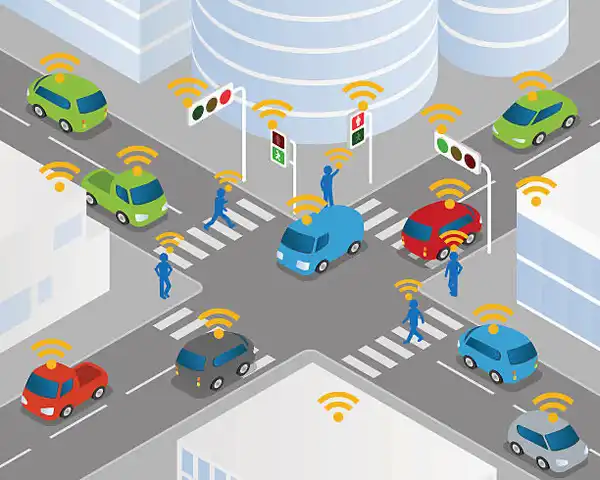
The government is also prioritizing smart technology integration through intelligent signalling systems and enhanced traffic policing mechanisms. Plans for establishing a dedicated Traffic Management and Road Safety Bureau are in progress, which will bring scientific and coordinated planning to the city’s transportation network. This specialized body is expected to use data analytics and real-time monitoring to optimize traffic patterns and implement evidence-based solutions. Simultaneously, the Hyderabad Metro expansion is being accelerated with additional coaches being added to existing lines to increase passenger capacity and encourage public transport usage.
The junction improvement program extends beyond structural changes to include road widening, better lane discipline enforcement, and pedestrian-friendly infrastructure at critical nodes. The emphasis on creating signal-free corridors aims to ensure uninterrupted traffic flow along major arterial roads, reducing fuel consumption and travel time for daily commuters. These initiatives represent a shift from reactive traffic management to proactive urban mobility planning, with infrastructure projects being designed to accommodate the city’s projected growth over the coming decades.
