Not too long ago, beginning a fitness journey usually started with a single question: “How much weight do you want to lose?” Gym memberships promised dramatic transformations, diet plans revolved around cutting calories, and the weighing scale often became the only measure of progress. Success was defined by smaller numbers and slimmer bodies.
Today, that question is slowly being replaced by another. “How do you want to feel?” For many people, fitness is no longer about fitting into a smaller clothing size. It has become a way to sleep better, manage stress, build confidence, improve mental health, and live a healthier life. The transformation is not just physical—it is psychological.
The shift did not happen overnight.

The COVID-19 pandemic fundamentally changed how people viewed health. Suddenly, immunity, stamina, and overall well-being became more important than simply looking fit. At the same time, growing awareness about mental health, rising workplace stress, sedentary lifestyles, and the influence of health experts on social media encouraged people to think differently about exercise.
People also began to realise that crash diets, extreme workouts, and unrealistic beauty standards were often unsustainable. Instead of chasing short-term transformations, many started choosing habits they could maintain for life. The result is a healthier mindset: fitness is no longer about changing your body for others—it is about taking care of it for yourself.
People are now paying attention to something more meaningful: their overall well-being. Being healthy is no longer judged only by appearance. It means having enough energy to get through the day, sleeping well at night, recovering faster from illness, maintaining good mobility, and preventing lifestyle diseases. The conversation around fitness has shifted from aesthetics to longevity.
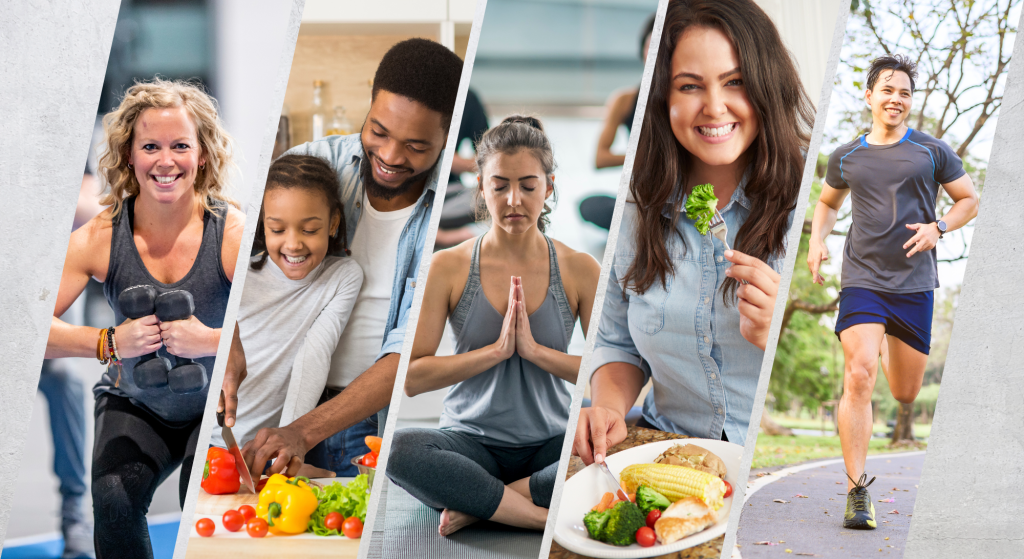
For years, exercise was often viewed as punishment for eating too much. Today, many people are learning to move because movement makes them feel good. Morning walks have become social gatherings. Yoga has become a way to quiet the mind. Strength training is helping people improve posture, mobility, and confidence. Cycling clubs, marathon groups, pickleball communities, and weekend hiking groups are attracting people who simply enjoy being active. Exercise is becoming less about burning calories and more about celebrating what the body can do.
Perhaps the biggest change is the recognition that fitness begins with the mind.
Many people now exercise not because they dislike their bodies but because physical activity helps them manage stress, anxiety, burnout, and the pressures of modern life. A workout is increasingly viewed as an investment in emotional well-being, not merely a tool for weight management. In today’s fast-paced world, movement has become a form of self-care.
Awareness around mental health has also transformed fitness culture. As conversations about stress, anxiety, burnout, and emotional well-being have become more open, many people have discovered that regular physical activity improves not only their bodies but also their minds. Exercise is increasingly seen as a way to boost mood, reduce stress, and improve sleep.
Another significant factor is the rise of body positivity and body neutrality. Rather than striving to fit unrealistic beauty standards, many people are embracing the idea that every body deserves care, regardless of its shape or size. Fitness is no longer about looking like someone else—it is about becoming healthier, stronger, and more confident in one’s own body.
Social media has also played a dual role. While it once promoted unrealistic transformation goals, many fitness professionals and creators now encourage sustainable habits, balanced nutrition, strength training, and functional fitness over crash diets and quick fixes. The conversation has gradually shifted from achieving a “summer body” to building a body that supports a lifetime of good health.
Perhaps the biggest transformation in fitness is that it is no longer driven by the pursuit of perfection, but by the pursuit of well-being. People are moving beyond unrealistic beauty standards and embracing habits that help them live healthier, happier, and more active lives.
In the end, fitness is no longer just about losing weight—it is about gaining strength, confidence, resilience, and a better quality of life. And perhaps that is the healthiest definition of fitness yet.