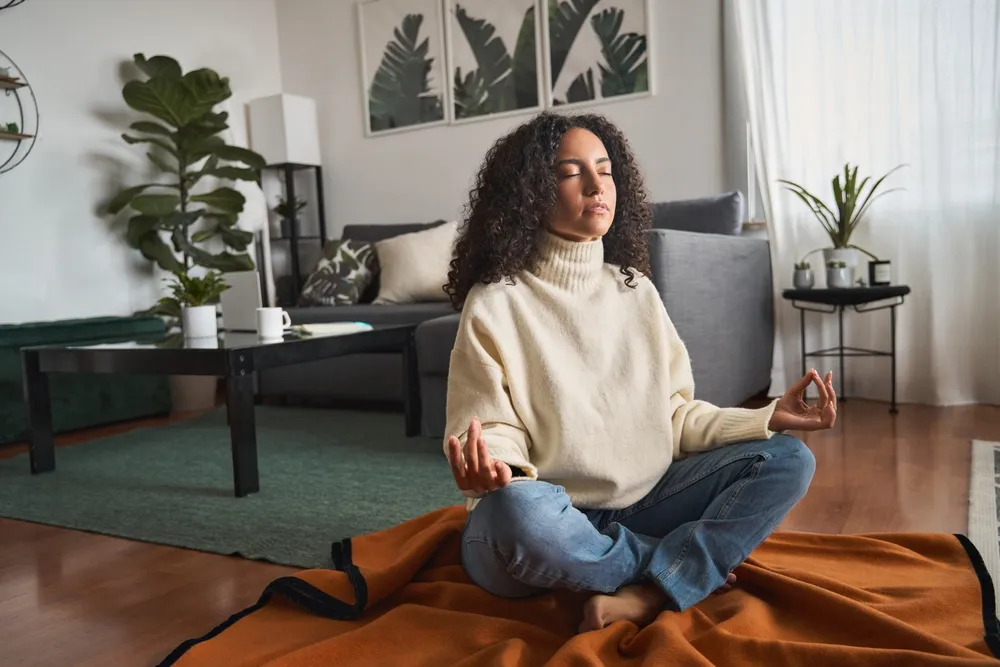
There was a time when doing nothing was simply called relaxing.
An afternoon spent watching the rain, sitting on a balcony, taking an unhurried walk, or simply lying on the couch wasn’t seen as wasted time. It was just part of life. Today, however, doing nothing often comes with an unexpected companion—guilt.
Even moments of rest are interrupted by the urge to check emails, reply to messages, scroll through social media, or complete “just one more task.” Somewhere along the way, busyness became a badge of honour, and productivity became something to be pursued every waking hour.

As conversations around mental health continue to grow, many people are beginning to challenge that mindset. Increasingly, doing nothing is no longer viewed as laziness—it is being recognised as an essential form of self-care.
When Being Busy Became a Status Symbol
Modern life often celebrates people who are constantly occupied.
Social media is filled with 5 a.m. morning routines, productivity hacks, side hustles, and packed schedules. Success is frequently measured by how busy someone appears rather than how fulfilled they feel.
This culture, often described as hustle culture, encourages the belief that every spare moment should be productive. The result is that many people struggle to rest without feeling as though they are falling behind.
Over time, this constant pressure can contribute to stress, burnout, anxiety, and mental fatigue, making genuine rest feel almost unfamiliar.
The Psychology of Downtime
Interestingly, our brains were never designed to remain constantly occupied.
Neuroscientists explain that periods of rest activate what is known as the Default Mode Network (DMN)—a network of brain regions that becomes active when we are not focused on a specific task. Far from being idle, the brain uses this time to process emotions, organise memories, solve problems, and spark creativity.
Have you ever found the answer to a problem while taking a shower or walking aimlessly? Or remembered something important while staring out of the window?
That is often the brain at work during moments that appear unproductive.
In other words, doing nothing is not the absence of activity, it is a different kind of mental work.
Why Rest Feels So Difficult
One reason many people struggle to switch off is that technology has erased the boundaries between work and personal life. Notifications arrive at all hours. Work emails follow us home. Social media creates an endless stream of content designed to keep us engaged.
Even moments that were once naturally quiet like waiting in a queue, travelling on a train, or sitting alone in a cafe are now quickly filled by reaching for a phone.
Silence has become increasingly rare. As a result, many people have forgotten what it feels like to simply exist without constant stimulation.
The Return of Slow Living
Perhaps this is why slow living has gained such popularity in recent years.
People are rediscovering simple pleasures that require no goal or achievement like reading for enjoyment, gardening, journaling, watching the sunset, listening to music, or taking a leisurely walk without tracking steps or calories.
These activities are not productive in the traditional sense, yet they often leave people feeling calmer and more refreshed than hours spent multitasking. Increasingly, self-care is shifting away from doing more and towards creating space to simply be.
Rest Without Guilt
Experts increasingly argue that rest should not be treated as something that must be earned.
You do not have to finish every task before taking a break.You do not have to justify spending an afternoon doing nothing. Rest is not the reward for productivity, it is what makes sustainable productivity possible.
Giving ourselves permission to pause can improve concentration, emotional regulation, creativity, and overall well-being. In many ways, the most radical act in today’s fast-paced world is not working harder, but allowing yourself to stop.
Redefining Self-Care
The conversation around self-care is evolving. It is becoming less about buying another wellness product and more about protecting our time, attention, and peace of mind.
Sometimes, self-care means saying no. Sometimes, it means turning off notifications. sometimes, it simply means sitting quietly with no agenda at all.
In a culture that constantly asks, “What’s next?”, perhaps the greatest act of self-care is allowing ourselves to answer, “Nothing right now.” Because sometimes, doing nothing is exactly what we need to do the most.