Not long ago, cheesecake was considered a niche dessert in India, mostly found in luxury hotels, upscale bakeries, and international cafe chains. Today, however, it has become a familiar sight on menus across the country. Walk into a cafe in Bengaluru, a bakery in Kolkata, or a dessert studio in Mumbai, and you’re likely to find cheesecakes in flavours that would have seemed unimaginable a decade ago like- Rasmalai, Mishti doi, mango saffron, filter coffee, pistachio, and even Gulab jamun.
The transformation raises an interesting question: how did a classic Western dessert become one of India’s favourite canvases for culinary experimentation? The answer lies in India’s long tradition of adapting global influences and making them distinctly its own.
Cheesecake’s growing popularity can be traced to the rapid expansion of cafe culture and the rise of social media-driven food trends. As international desserts became more accessible, Indian consumers developed a taste for cheesecakes, drawn to their rich texture and versatility. But simply replicating the traditional New York-style cheesecake was never enough.
Indian consumers often seek familiarity alongside novelty. While they enjoy trying new foods, they also gravitate towards flavours that evoke comfort and nostalgia. Bakers quickly recognised this preference and began experimenting with ingredients deeply rooted in local food traditions. The result was a dessert that felt both contemporary and familiar.
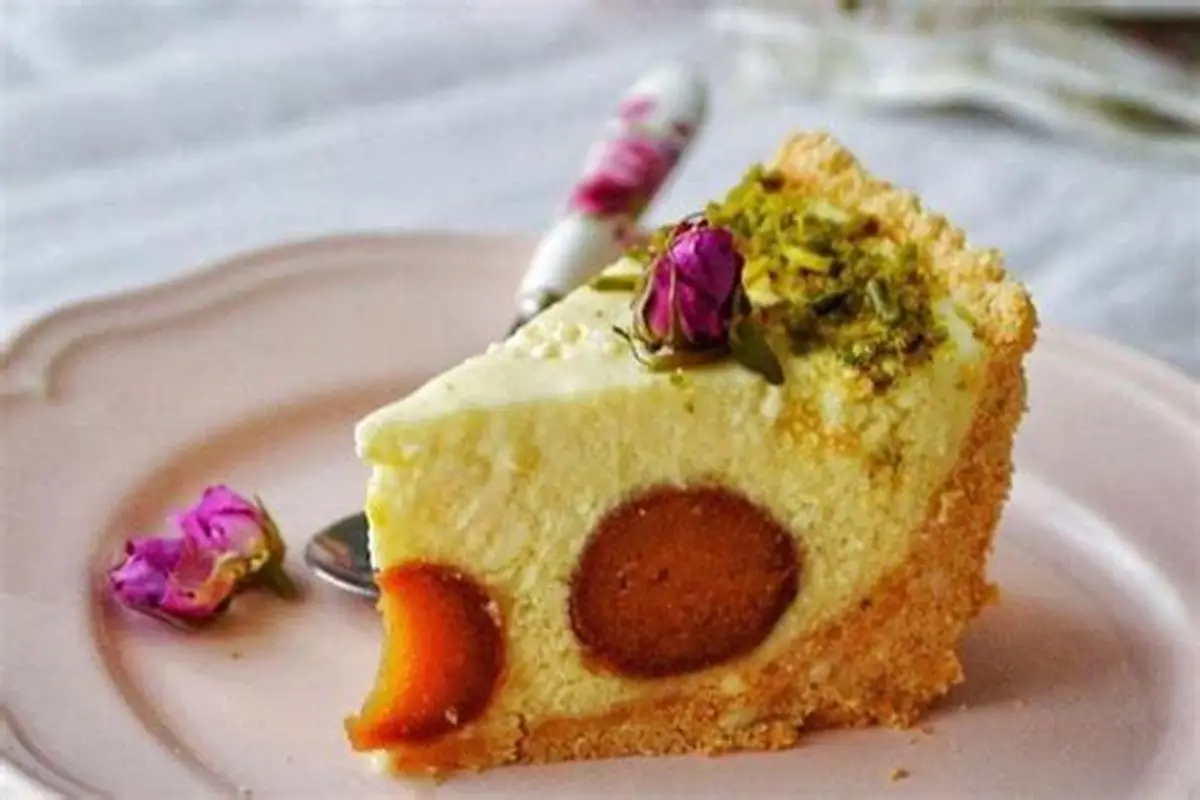
Perhaps the most successful examples of this trend are desserts inspired by beloved Indian sweets. Rasmalai cheesecake combines the creamy richness of cheesecake with the cardamom-infused flavours of a festive favourite. Mishti doi cheesecake borrows from Bengal’s iconic sweetened yogurt dessert, while Gulab jamun cheesecake transforms a traditional celebration staple into a modern café offering. These creations do more than blend recipes. They bridge generations.
For many customers, such desserts offer a sense of nostalgia wrapped in a new form. The flavours remind them of family gatherings, festivals, and childhood memories, while the presentation appeals to contemporary tastes. Food, after all, is as much about memory as it is about flavour.
The cheesecake trend has also created space for regional ingredients and culinary identities to shine.
Mango cheesecakes dominate menus during the summer months, celebrating India’s enduring love affair with the fruit. In southern cities, filter coffee cheesecakes have emerged as a popular choice, reflecting the region’s deep-rooted coffee culture. Elsewhere, bakers have experimented with ingredients such as saffron, jaggery, paan, rose, and pistachio. These innovations demonstrate how food trends evolve when they encounter local cultures. Rather than replacing traditional flavours, cheesecake has become a platform for showcasing them.
Social media has played a significant role in accelerating the cheesecake boom. Today’s diners do not simply consume food, they photograph it, review it, and share it online. Desserts topped with saffron strands, edible flowers, mango slices, or miniature Gulab jamuns naturally attract attention in an image-driven digital landscape.
For home bakers and small businesses, cheesecakes have also become an accessible way to stand out in a competitive market. The dessert’s adaptability allows creators to constantly introduce new flavours and seasonal variations, keeping customers engaged. In many ways, cheesecake has become as much a visual experience as a culinary one.
The rise of Indian-inspired cheesecakes reflects a broader shift in how consumers approach food today. Modern Indian diners are increasingly comfortable embracing global cuisines while remaining deeply connected to local traditions. They do not view the two as opposites. Instead, they seek experiences that combine both.
This is evident not only in cheesecakes but also in everything from fusion street food to regional reinterpretations of international dishes. The goal is not authenticity in the strictest sense but relevance, creativity, and personal connection.
The cheesecake’s journey in India is therefore about more than dessert. It is a story about cultural adaptation, evolving tastes, and the confidence with which Indian food culture continues to reinvent itself.
What began as a borrowed dessert has found a home in Indian kitchens, cafes, and bakeries. Through flavours inspired by local ingredients, traditional sweets, and regional identities, cheesecake has undergone a remarkable transformation.
Today, a slice of Rasmalai or filter coffee cheesecake is not merely a variation of a Western classic. It represents something distinctly Indian, a blend of nostalgia and innovation. This is the reason why the dessert continues to resonate. In every reinvented slice, there is a familiar story of how India embraces the world, then adds its own flavour to it.