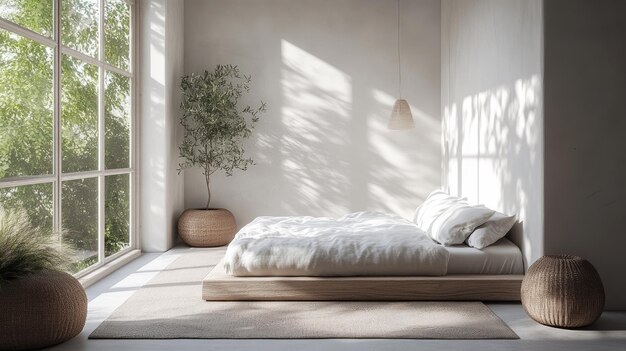
On social media, minimalist living often appears deceptively simple. Spotless rooms, neutral colour palettes, neatly organised wardrobes, and uncluttered desks dominate Instagram feeds and YouTube channels. The message is appealing: own less, stress less, and focus on what truly matters. But behind the aesthetic lies a broader lifestyle movement that is reshaping how many people think about consumption, happiness, and success.
Minimalism is no longer just a design trend. Increasingly, it is becoming a response to modern life’s growing pressures, ranging from consumerism and digital overload to financial stress and environmental concerns.
At its core, minimalism encourages people to intentionally reduce possessions, commitments, and distractions in order to focus on what adds genuine value to their lives. The goal is not deprivation but intentionality.

Modern consumer culture often encourages people to buy more, upgrade frequently, and constantly seek the newest products. Advertisements, influencers, and online shopping platforms have made consumption easier than ever.
As a result, many people find themselves surrounded by items they rarely use.
Minimalism challenges this mindset by asking a simple question: Do we really need everything we own? For many followers of the movement, reducing physical clutter creates a sense of mental clarity. Fewer possessions can mean less time spent organising, cleaning, and maintaining belongings.
In a world that often celebrates excess, minimalism offers an alternative perspective: more possessions do not necessarily lead to more happiness.
Many members of Gen Z and millennials face rising housing costs, economic uncertainty, and changing attitudes towards ownership. Smaller living spaces and tighter budgets have encouraged people to become more intentional about what they purchase.
At the same time, younger generations are increasingly questioning consumer habits and exploring sustainable lifestyles.
For some, minimalism is not simply about saving money. It is about reducing waste, limiting unnecessary consumption, and making choices that align with personal values.
The movement therefore intersects with broader conversations around sustainability, conscious consumption, and environmental responsibility.
Minimalism is often associated with possessions, but many practitioners apply its principles to other areas of life as well. Digital minimalism, for example, involves reducing screen time, limiting social media use, and creating healthier relationships with technology. Others focus on simplifying schedules, prioritising meaningful relationships, and avoiding unnecessary commitments.
The philosophy extends beyond what people own to how they spend their time and attention. In an era defined by constant notifications and information overload, the appeal of simplicity has become increasingly understandable.
Financially, buying fewer unnecessary items can lead to greater savings and reduced debt. Psychologically, decluttered environments may help reduce feelings of stress and overwhelm. Many people also report experiencing greater focus and improved decision-making when surrounded by fewer distractions.
Minimalism can also encourage people to place greater value on experiences rather than possessions. Travel, hobbies, learning, and relationships often become higher priorities than accumulating material goods.
For some, the lifestyle creates a greater sense of freedom.
Despite its growing popularity, minimalism is not without criticism.
One common challenge is that minimalism can sometimes become another form of consumerism. People may feel pressured to purchase expensive storage solutions, designer furniture, or aesthetically curated products in pursuit of a “minimalist look.”
Critics argue that true minimalism is about intentional living rather than visual perfection.
Others point out that minimalism is easier for some people than others. Families, individuals with caregiving responsibilities, or those living in shared households may find it difficult to maintain highly simplified lifestyles.
There is also the risk of treating minimalism as a one-size-fits-all solution. What feels freeing to one person may feel restrictive to another.
The popularity of minimalism reflects a broader cultural shift.
Many people are becoming less interested in accumulation for its own sake and more interested in how possessions, habits, and commitments contribute to their overall well-being.
This does not necessarily mean abandoning modern comforts or striving to own as little as possible. Instead, it involves making conscious decisions about what deserves space in one’s life.
Ultimately, minimalism is not about having less. It is about making room for more of what matters. In a society often driven by consumption and constant busyness, this may explain why the minimalist movement continues to resonate with so many people today.