

Indian cinema has always been synonymous with Bollywood. In fact, even Bollywood itself had to fight for international recognition, so it is no surprise that regional cinemas were often marginalised. However, this perception has shifted dramatically. A South Indian film like Coolie is opening with a worldwide collection of ₹153 crore on its first day, which was unthinkable a decade ago. Once dismissed as ‘regional’ or ‘small’ stories, these films are now embraced and celebrated as integral to Indian cinema.
From OTT to Commercial Success
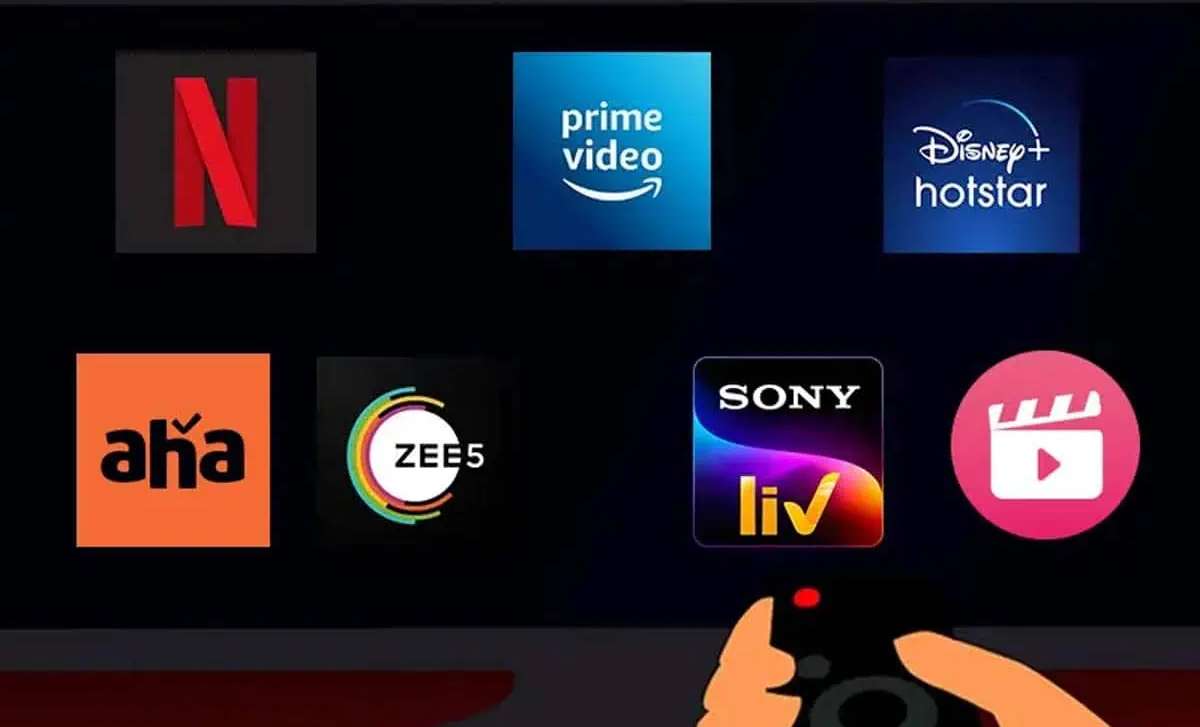
This shift can be traced to the rise of OTT and streaming platforms. Platforms like Netflix, Amazon Prime, Aha, SonyLIV, and Hoichoi have made films more accessible to larger audiences. With the development of subtitles and dubbing, the language barrier is almost non-existent. For example, a Tamil film can now be seen in France without much hassle. Hence, even smaller regional films can reach much larger audiences than before.
International film festivals have also played a prominent role in expanding the reach of regional Indian cinema. Even earlier, regional films were part of international film discussions, with filmmakers like Satyajit Ray and Adoor Gopalakrishnan. However, these were a few exceptions, and the industry still had limited visibility. In the past few years, the number of regional films showcased at major international festivals has increased significantly. For instance, Jallikattu (Malayalam, 2019) premiered at TIFF and won Sundance’s World Cinema Grand Jury Prize. In 2018, the Assamese film Village Rockstars won TIFF’s Platform Prize. Bramayugam (Malayalam) was the only Indian feature film selected for the Encounters Competition at the 74th Berlin International Film Festival in 2024. Sabar Bonda became the first Marathi film to screen at Sundance and won a Grand Jury Prize, while Sthal (Marathi, 2024) world premiered at Cannes in 2024.

While festivals provided artistic validation for regional films, the commercial breakthrough came with Baahubali: The Beginning (Telugu) in 2015, directed by S. S. Rajamouli. It showcased that a Telugu film could open to massive numbers and earn crores globally. The film achieved enormous success both domestically and internationally, with the sequel finding notable success in Japan. Following this, KGF: Chapter 1 and KGF: Chapter 2 (Kannada) , Kantara, and recently Kantara: A Legend (Kannada) and Lokah Chapter 1 (Malayalam) have all redefined what commercial success means for regional films.
From Local Stories to Global Recognition
The biggest strength of these industries is their deep cultural rootedness. This is often reflected in their filmmaking style, which involves shooting in real-life locations often due to budget constraints. This resulted in a lack of glitz and glamour but led to authentic storytelling. Regional films were also content-driven and centred on storytelling and tackling various social issues. Films like Sairat (Marathi), Visaranai (Tamil), and Court (Marathi) sparked discussions and received recognition across the country for their socio political commentary. The performances were also hailed as authentic and natural. Furthermore, the large Indian diaspora living outside India contributed to the market for regional films. They now have a huge audience in the Gulf, North America, and European countries.
Indian cinema is now gaining recognition in the global arena. Regardless of whether it is a regional film or a Bollywood production, it is increasingly being celebrated on the world stage. This marks a significant shift and reshapes what Indian cinema represents to global audiences. However, this recognition signals only the beginning, and the industry still has a long way to go.
