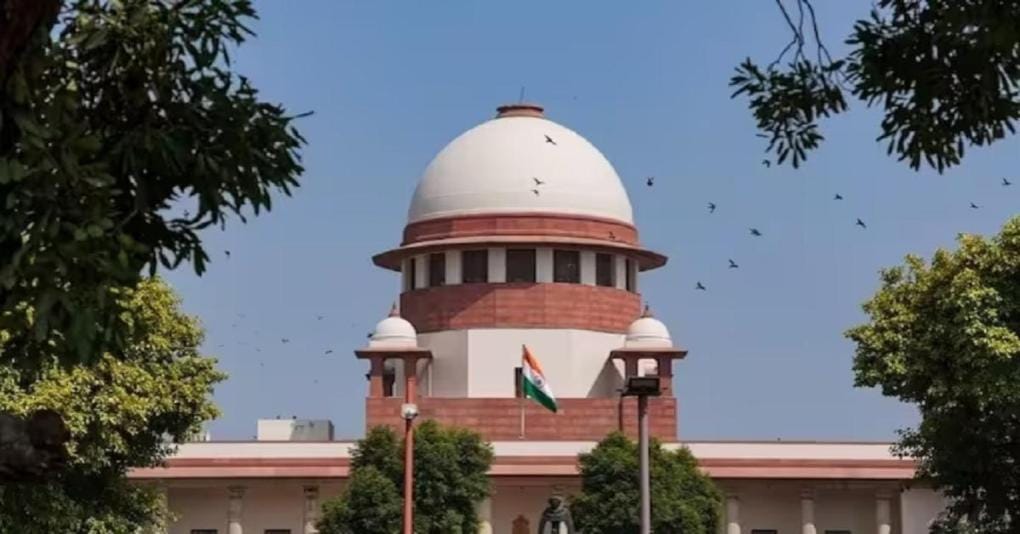
The Supreme Court of India has issued stern directions to the Telangana Assembly Speaker regarding the pending petitions on disqualified MLAs. Chief Justice of India BR Gavai made strong remarks during the hearing, setting a one-week deadline for a decision.
The Chief Justice stated that a decision must be taken within the coming week on the matter of disqualified MLAs in Telangana. He warned that failure to comply could result in contempt proceedings against the Speaker.

In a notable observation, Justice Gavai remarked that the Speaker must himself decide where to celebrate the New Year, indicating the urgency of the matter. The comment was made in the context of the approaching year-end and the pending resolution of the disqualification cases.
The Supreme Court bench emphasized that the Speaker has no constitutional protection in matters of delay. This assertion underscores the judiciary’s position that constitutional functionaries must act within reasonable timeframes when deciding on disqualification petitions.
During the proceedings, the Chief Justice issued notices to all respondents on the remaining petitions related to the disqualified legislators. The court has ordered that the matter will be heard again in four weeks, allowing time for compliance with the directions issued.
The case pertains to MLAs who faced disqualification proceedings in the Telangana Assembly. The petitions have been pending for a considerable period, prompting the intervention of the apex court.
The Supreme Court’s directive comes as a significant development in the ongoing legal battle over the disqualification issue. The court’s firm stance indicates its intent to ensure timely resolution of constitutional matters.
The one-week deadline set by the court puts pressure on the Assembly Speaker to expedite the decision-making process. The warning about contempt proceedings adds weight to the directive, making it clear that delays will not be tolerated.
Legal experts view the court’s intervention as a reminder to constitutional authorities about their duty to act promptly on matters affecting legislative membership. The case has drawn attention to the balance between legislative autonomy and judicial oversight.
The next hearing in the matter is scheduled to take place after four weeks, by which time the court expects compliance with its directions regarding the disqualified MLAs.