The start of 2026 saw US President Donald Trump detain the Venezuelan president, Nicolás Maduro. It is safe to say that this year is likely to witness various conflicts, whether new or the continuation of existing ones. With a growing disregard for international law and human rights, warfare and disputes continue to rise. Against this backdrop, here are some potential global flashpoints that could intensify in 2026.
1. China and Taiwan
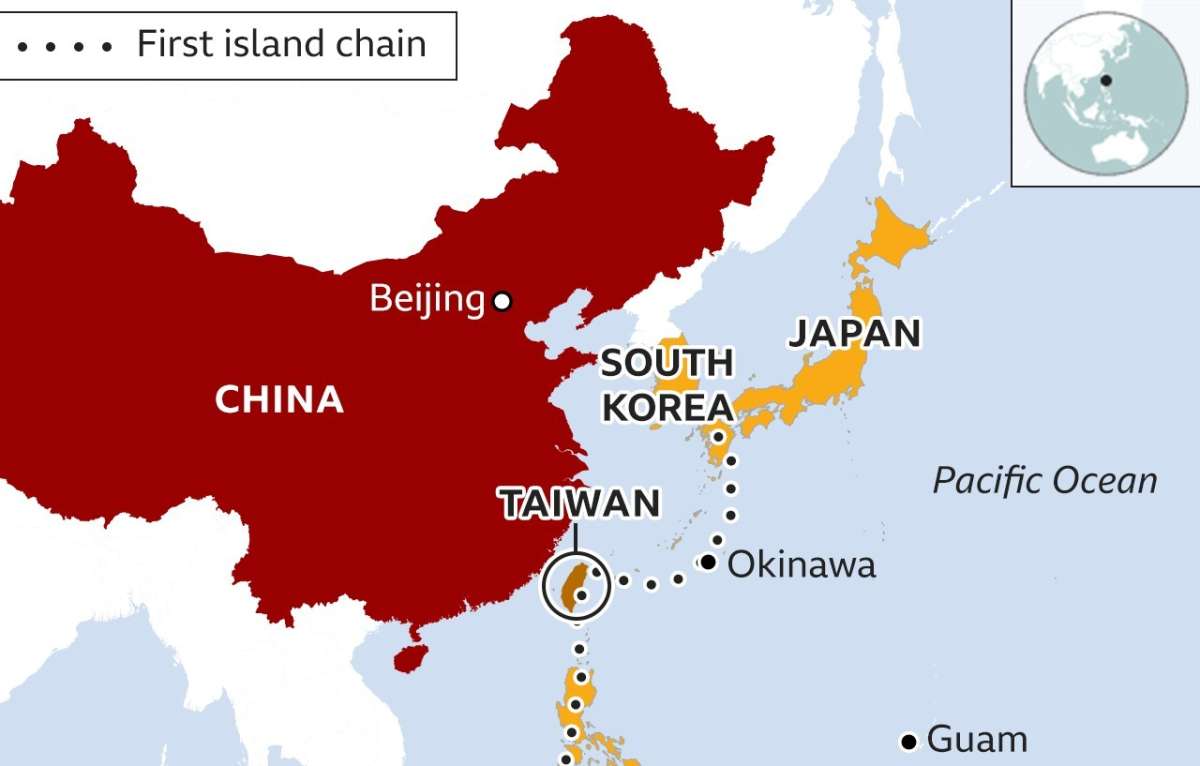
China and Taiwan, a conflict with a 70-year history, have the potential to escalate into an armed conflict. This is due to President Xi’s claims to ‘unify the country,’ which includes Taiwan and mainland China. Since 1949, Taiwan has operated as a separate political entity with its own government, economy, and military, but China has refused to accept its autonomy.
Taiwan’s strategic position in the South China Sea, particularly in the First Island Chain, is crucial for China’s regional dominance and security. China is also Taiwan’s top trading partner, with trade totaling $224 billion in 2023, according to The Associated Press. An armed conflict can lead to various setbacks for both countries. It can push multinational corporations (MNCs) out of China and expose it to global sanctions by the US and its allies. A conflict like this in the South China Sea would threaten key oil and shipping routes, destabilizing the global economy. The Chinese yuan would also weaken internationally.
2. Russia and Ukraine
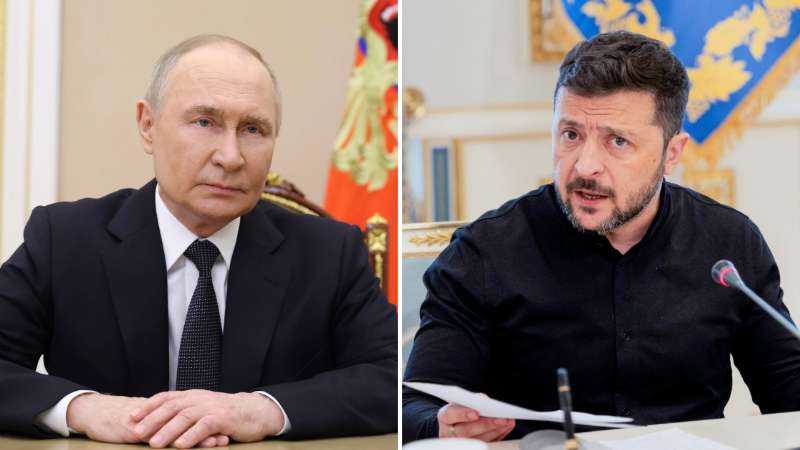
The Russia–Ukraine war is entering its fourth year. The biggest conflict in Europe since World War II is unlikely to end by 2026, largely because Russia has no intention of doing so. Looking ahead, it is likely to witness an increase in casualties and continued attacks in both countries.
Russia maintains that sustained military pressure will gradually weaken Ukraine. Ukraine continues to rely heavily on external financial aid to sustain its war effort, a burden largely borne by the European Union. Beyond the battlefield, the war also has far-reaching consequences for the global energy sector, where both countries play crucial roles. Nations such as Egypt, Lebanon, and Somalia, which depend heavily on grain imports from Russia and Ukraine, have experienced sharp rises in food prices. The sanctions imposed on Russia have also had wide-ranging economic repercussions.
3. Sudan
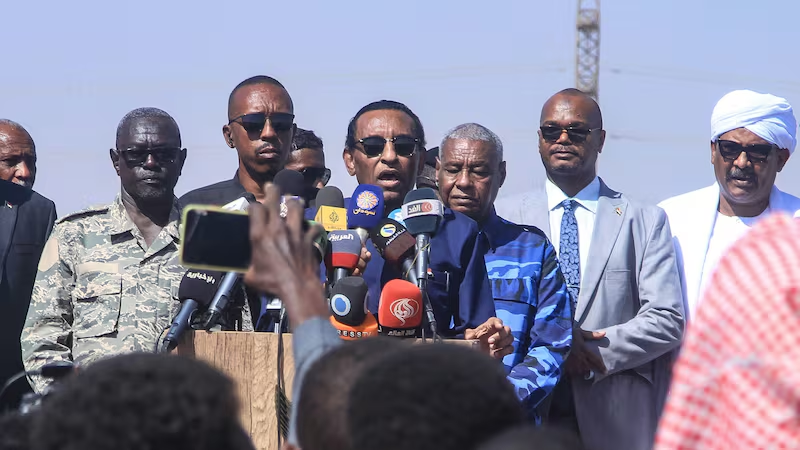
1000 days have passed since Sudan’s devastating war began between two illegitimate forces: the Sudanese Armed Forces (SAF) and the paramilitary Rapid Support Forces (RSF). The SAF was the official army of former President Omar al-Bashir, who was overthrown through mass public protests, while the RSF’s origins can be traced back to the Janjaweed, a paramilitary group used by the former regime to control areas in the west, particularly against non-Arab tribes that protested against the government.
The war has nearly collapsed Sudan, resulting in thousands of deaths, millions in need of assistance, and widespread poverty and acute food insecurity. Unemployment continues to rise, creating one of the world’s largest humanitarian crises, with no end in sight even by 2026. Beyond Sudan, the conflict is causing insecurity among neighbouring countries, particularly Chad, Libya, and South Sudan, further destabilising the region. The presence of external influences into sustaining the war which includes a large supply of weapons has made the situation worse for the civilians. Moreover, it has the potential to affect the flow of international trade via the Red Sea.
4. India and Pakistan
Relations between India and Pakistan have deteriorated after the Pahalgam terrorist attack in Kashmir, where gunmen killed 26 civilians. Although Pakistan denied any responsibility, India took strong measures, including withdrawing from the six-decade-old Indus Waters Treaty (IWT), which has severely impacted Pakistan. This escalation continued with the Indian army launching Operation Sindoor, targeting terrorist camps in Pakistan. The resulting four-day aerial conflict became the most serious confrontation in nearly three decades between the two neighbouring countries.
The impact of such tensions is significant. A prolonged conflict could send Pakistan’s economy into turmoil at a time when it is attempting to bring stability to the country. At the same time, Islamabad has deepened ties with the US, China, and Middle Eastern states. The US President has imposed tariffs of nearly 50 per cent on India, while Pakistan faces a lower rate of 19 per cent. Any escalation in the region would have wider global ramifications.
5. Israel and Iran
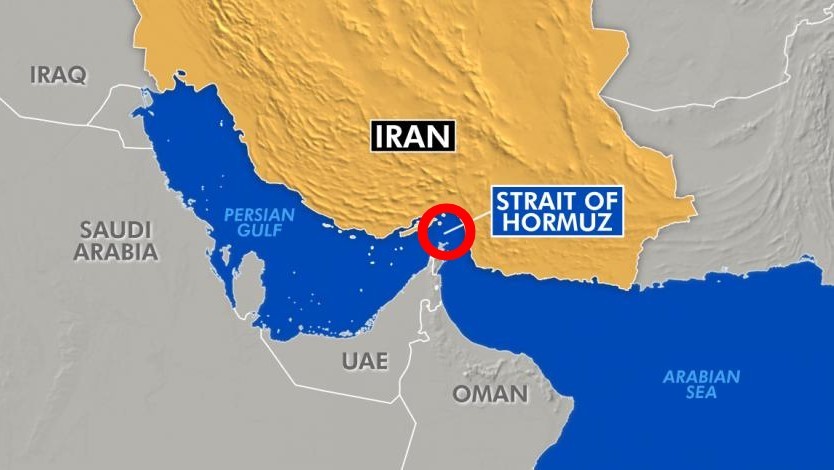
Since the Iranian Revolution, which led to the establishment of the Islamic Republic of Iran, the Iranian government has identified Israel as a major threat. As a result, tensions have frequently occurred between Israel and Iran. These tensions escalated in 2025 when airstrikes were conducted on Iran’s consulate in Damascus, followed by retaliation from Iran. As a result, Israel and Iran were involved in a 12-day war in June 2025, which the United States briefly joined by attacking Iranian nuclear installations. With heightened internal protests in Iran since December 2025, there is now an increased possibility that the conflict could escalate into armed conflict in 2026.
This could raise the risk of deeper regional destabilisation at a time when the Middle East is already volatile. The Iranian currency, the rial, reached a record low in December 2025. A big concern is the Strait of Hormuz, a critical route for global oil transportation. Any disruption of this route can lead to significant increases in oil prices and widespread economic consequences, including rising prices for daily goods.