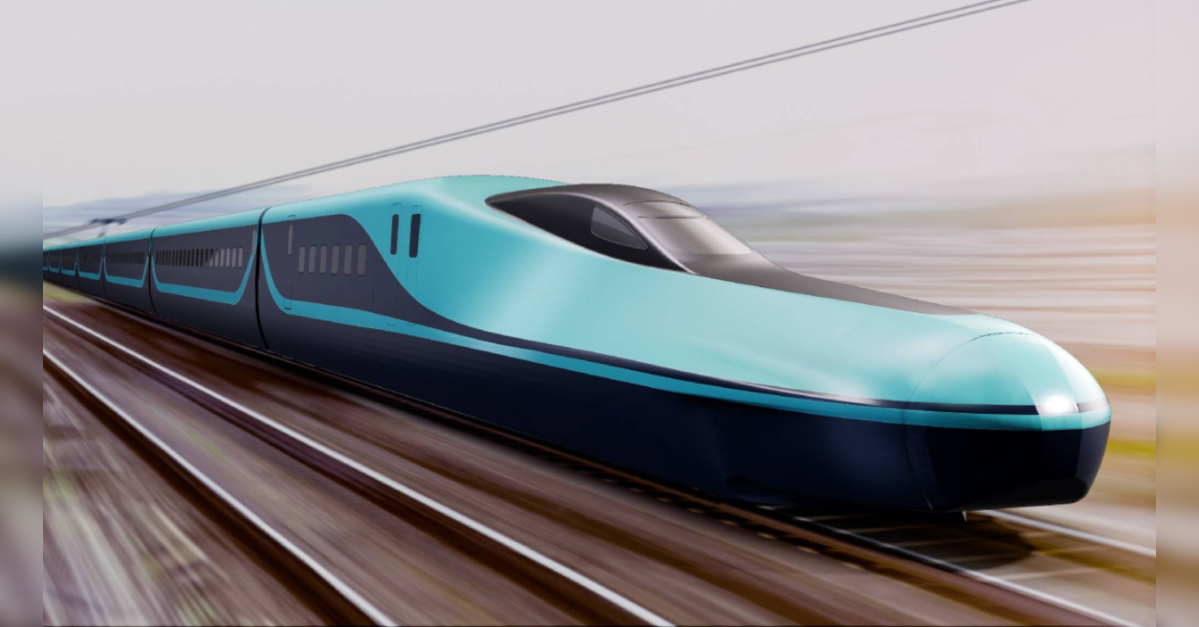
A major milestone has been achieved in the ambitious Mumbai-Hyderabad bullet train project as the Detailed Project Report (DPR) has been completed for the 671-kilometer high-speed rail corridor. The project promises to revolutionize travel between the two major cities, reducing journey time to just 3 hours from the current 12-14 hours by conventional trains. The high-speed rail corridor will pass through three states including Maharashtra, Karnataka, and Telangana, marking a significant development in India’s railway infrastructure expansion plans.
The project will feature a total of 12 stations built to international standards along the entire route. Telangana will have three stations strategically located at Hyderabad (Kokapet), Vikarabad, and Shamsabad Airport. The inclusion of Shamsabad Airport station is a recent addition to the project, aimed at providing seamless connectivity between air and rail transport. This integration is expected to significantly enhance multimodal transportation options for passengers traveling between the two metropolitan cities.
The high-speed trains planned for this corridor will be equipped with 16 coaches and will have the capacity to accommodate 1,215 passengers at a time. These super-fast trains will operate at speeds comparable to international bullet train standards, ensuring quick and efficient travel. The project design incorporates modern amenities and safety features that align with global best practices in high-speed rail operations.

A notable feature of the project includes a 35-kilometer underground route in Maharashtra, which will help navigate through densely populated urban areas and challenging terrain. This underground section represents a significant engineering challenge and demonstrates the project’s commitment to minimizing land acquisition issues while ensuring efficient connectivity. The underground alignment will also help reduce environmental impact and avoid disruption to existing urban infrastructure.
The completion of the DPR marks a crucial step forward in the project’s implementation timeline. The detailed report provides comprehensive technical, financial, and operational frameworks required for the construction and operation of the high-speed rail corridor. With the DPR now ready, the project is expected to move into the next phase of approvals and funding arrangements before actual construction work can commence on this transformative infrastructure project connecting three major states.