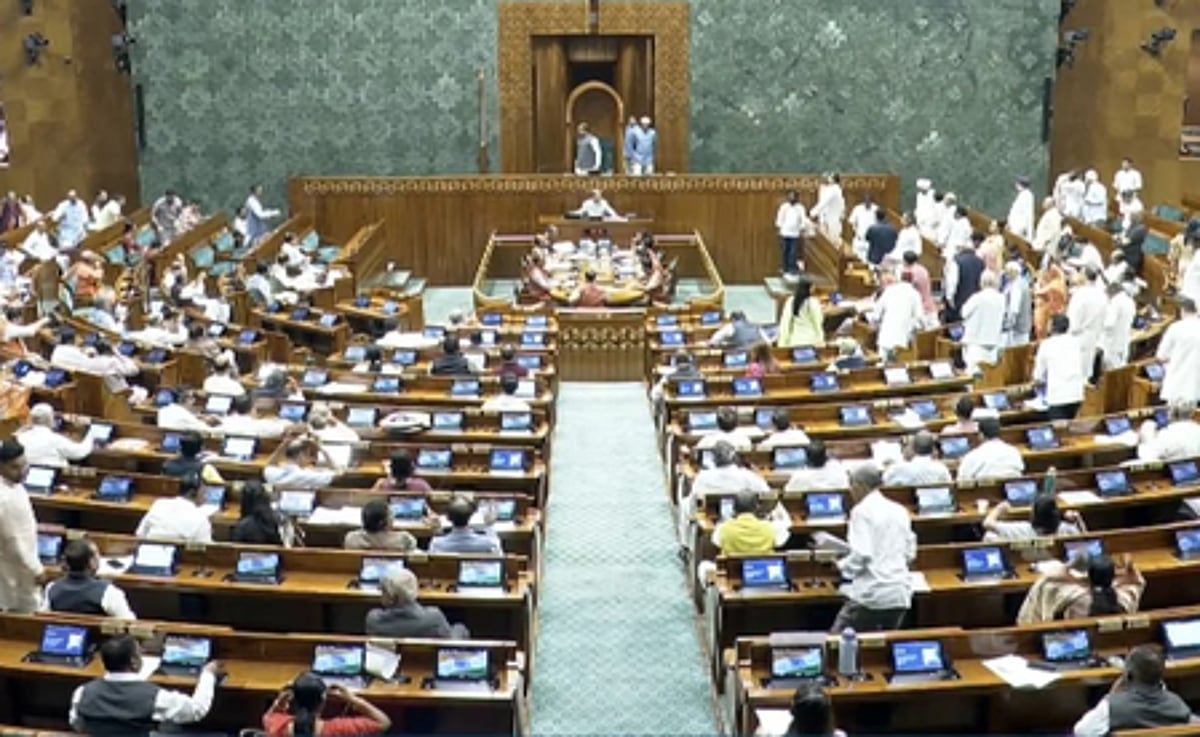
New Delhi, July 30: In a significant move to strengthen the integrity of India’s examination process, Parliament has passed the Anti-Paper Leak Bill, introducing stringent legal measures against individuals and organizations involved in question paper leaks and examination fraud. The legislation aims to restore public confidence in competitive examinations, safeguard the future of millions of students, and establish greater transparency in recruitment and admission tests.
The new law comes in response to a series of high-profile paper leak incidents that disrupted recruitment drives and entrance examinations across several states in recent years. Such incidents led to cancelled exams, delayed results, financial losses, and widespread frustration among candidates who had invested months, and often years, in preparation.
Key Provisions of the Anti-Paper Leak Bill

The legislation introduces stricter penalties for those found guilty of leaking examination papers, facilitating organized cheating, manipulating digital examination systems, or profiting from unfair examination practices. Offenders may face substantial financial penalties, imprisonment, and restrictions from participating in future examination-related activities. The law also empowers investigative agencies to take stronger action against organized examination fraud networks.
Authorities will be expected to improve cybersecurity measures, enhance surveillance during examinations, and strengthen coordination between examination bodies, law enforcement agencies, and technology providers to prevent future leaks.
Why the Bill Matters
India conducts thousands of recruitment and entrance examinations every year for government jobs, universities, and professional institutions. Even a single paper leak can affect millions of candidates, undermine the credibility of public institutions, and create significant administrative and financial challenges.
The Anti-Paper Leak Bill seeks to address these issues by establishing a stronger legal framework that discourages malpractice while promoting fairness and accountability. By increasing the consequences for examination fraud, the government hopes to create a more secure environment where merit remains the primary criterion for selection.
Government’s Perspective
The government described the legislation as a major reform in India’s examination ecosystem, stating that honest students deserve a system where hard work is rewarded without the fear of corruption or organized cheating. Officials emphasized that protecting the credibility of examinations is essential for maintaining trust in public recruitment and higher education.
Concerns and Challenges
While the bill has received support from many students, educators, and recruitment experts, some lawmakers have highlighted concerns regarding implementation. Experts believe that strict laws alone may not eliminate paper leaks unless examination authorities also invest in advanced digital security, secure question paper transmission systems, regular audits, and stronger accountability mechanisms.
Education specialists have also suggested increased use of encrypted digital examination platforms, artificial intelligence-based monitoring, and enhanced coordination between central and state agencies to reduce vulnerabilities.
Impact on Students and Recruitment
The legislation is expected to benefit millions of candidates appearing for competitive examinations such as recruitment tests, university entrance examinations, and other public assessments. If implemented effectively, the law could reduce examination cancellations, improve recruitment timelines, and restore confidence in India’s competitive examination system.
The passage of the Anti-Paper Leak Bill marks an important milestone in India’s efforts to combat examination malpractice. Although effective implementation will determine its long-term success, the legislation represents a strong commitment toward protecting merit, ensuring fairness, and preserving the credibility of one of the world’s largest examination systems. For students preparing for competitive exams, the new law offers renewed hope for a transparent and trustworthy assessment process.