
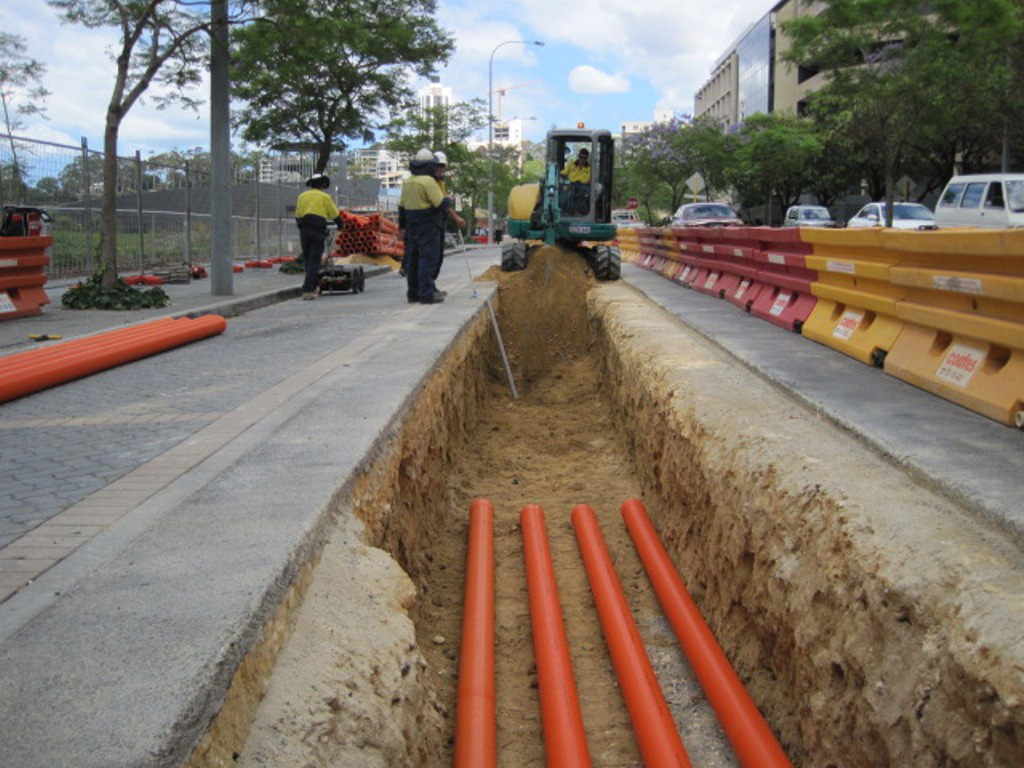
The Electricity Regulatory Commission (ERC) has granted approval for a revised detailed project report worth Rs. 5,756 crores to lay underground power cables across Hyderabad Metro Zone. The ambitious infrastructure project aims to replace overhead power lines with underground cabling systems to enhance power supply reliability and improve the city’s aesthetic appeal.
The project will cover four major circles including Hyderabad North, Hyderabad South, Hyderabad East, and Hyderabad West, spanning across 11 divisions. The underground cabling work involves laying 300.8 kilometers of 33 kV lines and 30 kilometers of 11 kV lines throughout the designated areas. The Telangana State Southern Power Distribution Company Limited (TSSPDCL) will implement the project.
The revised project cost represents an increase of Rs. 1,705 crores from the original estimate of Rs. 4,051 crores. The revision accounts for increased material costs, expanded project scope, and current market conditions. The enhanced budget will ensure comprehensive coverage of the metro zone’s power distribution network.

TSSPDCL officials are expected to issue tenders for the underground cabling project within a week following the regulatory approval. The tendering process will enable the selection of qualified contractors to execute the massive infrastructure upgrade across the four circles of Hyderabad.
The project has been designed with a completion timeline of two years from the commencement of work. The underground cabling system will eliminate the visual clutter of overhead power lines while significantly reducing power interruptions caused by weather conditions, tree branches, and other external factors that typically affect overhead distribution networks.
The conversion of existing overhead lines to underground cables for both 33 kV and 11 kV distribution networks represents a major step toward modernizing Hyderabad’s power infrastructure. The project will enhance the reliability of electricity supply to residential, commercial, and industrial consumers across the metro zone while supporting the city’s growing power demands.
