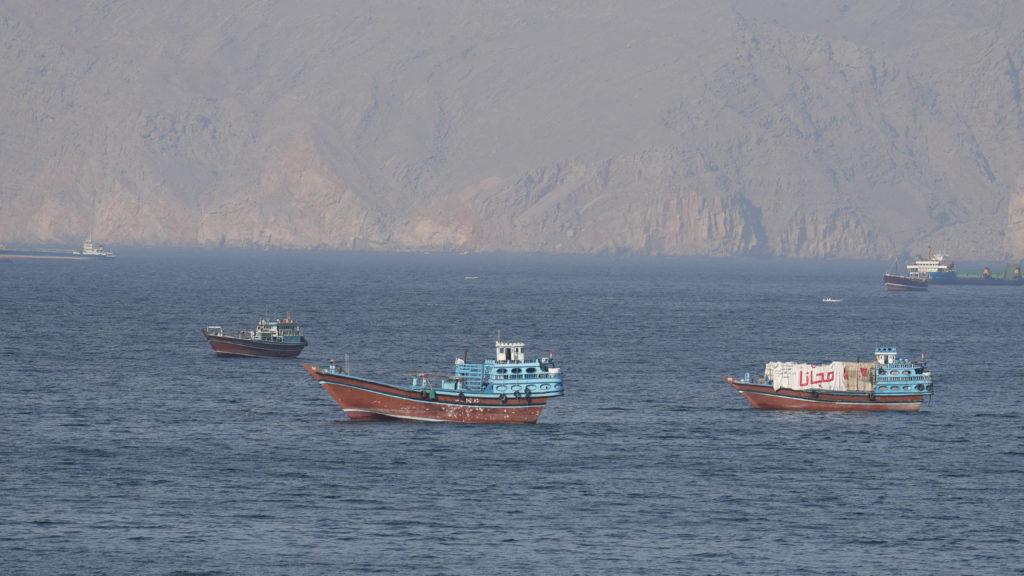
Only hours after the Strait of Hormuz reopened, Iran announced that it was now closed again. This decision followed President Trump’s move to continue the naval blockade of Iranian vessels. Yesterday, two Indian-flagged merchant vessels came under attack while attempting to cross the Strait. A crude oil tanker named Sanmar Herald and a container ship were struck by the Iranian Guards while they were trying to cross the narrow waterway. No injuries or major damage were reported. Following the incident, the Ministry of External Affairs has stated that it summoned the Iranian ambassador and conveyed India’s ‘deep concern’ over the situation and have asked the Iranian envoy to pass on the message to Tehran.
Iran Reverses Opening Due to Blockade Dispute
With the Lebanon ceasefire coming into effect and negotiations between the US and Iran underway, the Iranian Foreign Minister had informed that ‘passage for all commercial vessels through the Strait of Hormuz is declared completely open for the remaining period of the ceasefire’. Furthermore, US President Trump also confirmed the news, claiming that a deal with Iran was very close. However, he refused to lift the naval blockade imposed on all ships entering and leaving Iran until a final deal is signed. In response, the Islamic Revolutionary Guard Corps (IRGC) informed that until the blockade is lifted, the Strait will remain closed.
Ongoing US-Iran Negotiations
While Donald Trump has repeatedly assured that a deal is underway and that the war will be over soon, Tehran offers a contrasting perspective. Recently, the Iranian deputy foreign minister clarified that ‘until we can agree on a framework, we cannot set the date for negotiation.’ These inconsistencies in statements and the key sticking points in the negotiations indicate that a proper deal is not yet imminent. In coming days, Iran’s nuclear program, international sanctions on Iran, and control of the Hormuz Strait are likely to remain obstacles in the peace talks.