A photograph can capture a moment in seconds, but some images remain with society for generations.
From India’s wars and political upheavals to moments of celebration, tragedy and everyday life, photojournalists have played an important role in documenting the country’s changing story. Their cameras have taken them into places where words often struggle to convey the reality of what happened.
On World Photography Day, celebrated every year on August 19, India has a long tradition of photographers who have used the camera not simply to create pictures, but to document people, events and moments that might otherwise have been forgotten.

Here are some of the photographers and photojournalists whose work has left a lasting mark on India’s visual history.
Raghu Rai: Documenting a Changing India
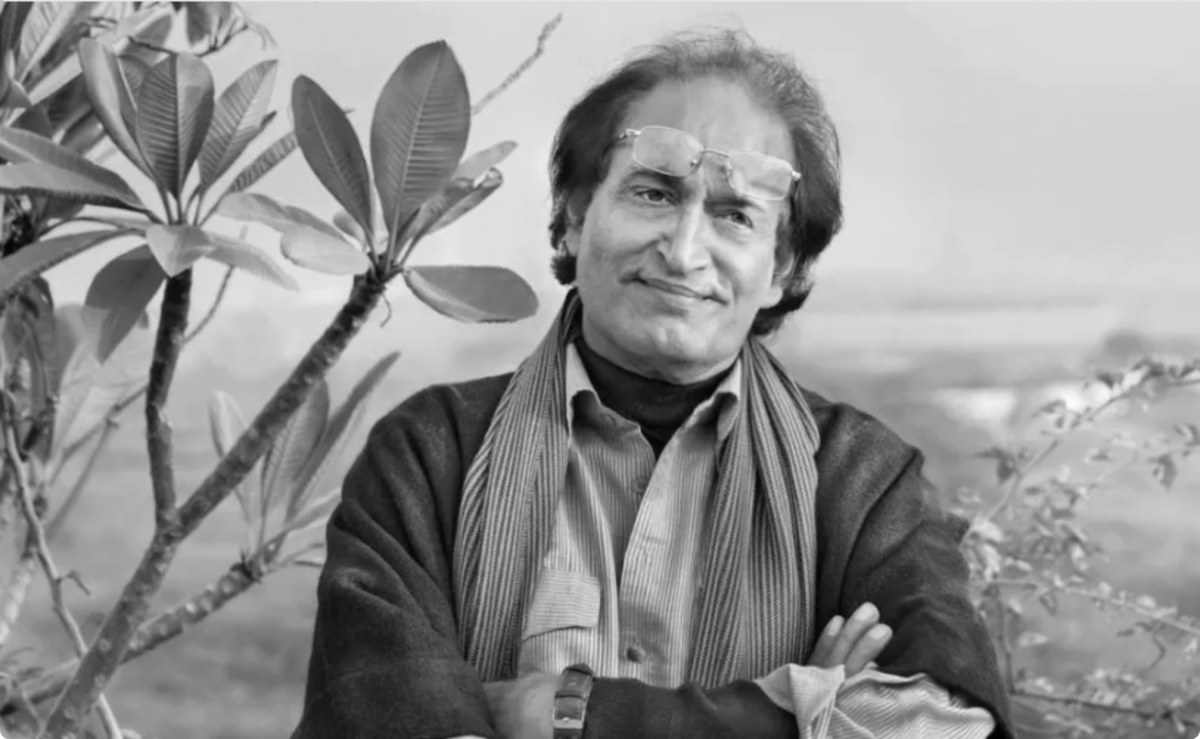
Few names are as closely associated with Indian photography as Raghu Rai.
Over a career spanning decades, Rai has photographed some of the country’s most important personalities, political events and social moments. His photographs have captured India not only through major historical events but also through its streets, villages, cities and ordinary people.
One of the most significant chapters of his career was his documentation of the 1984 Bhopal gas tragedy. His photographs brought the scale of the disaster and its human consequences into sharp visual focus.
Rai’s work demonstrates the power of photojournalism to go beyond recording an event. A photograph can also preserve its emotional impact.
Homai Vyarawalla: India’s First Woman Photojournalist
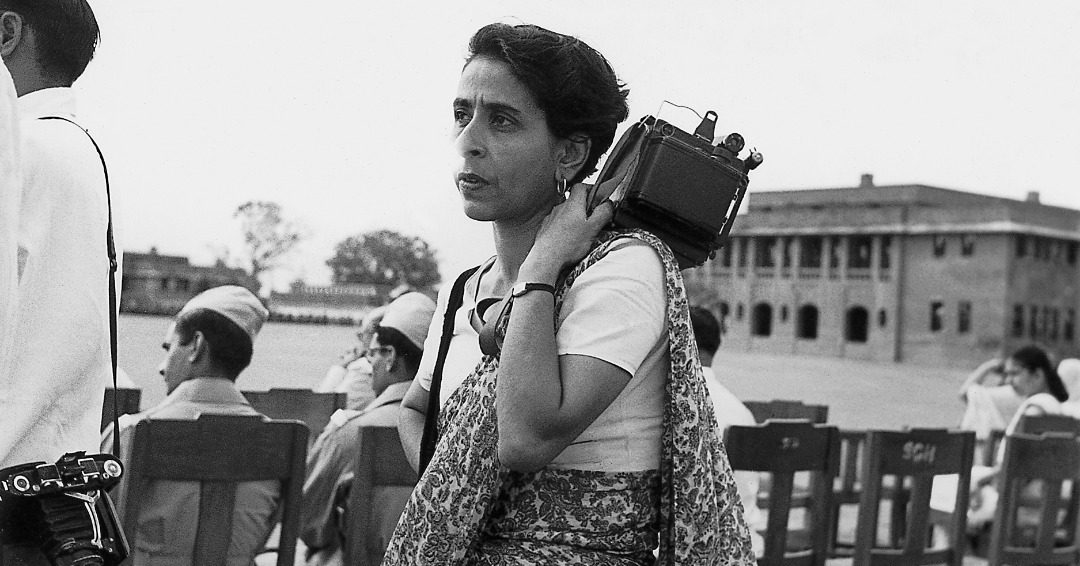
At a time when photojournalism was overwhelmingly dominated by men, Homai Vyarawalla broke into the profession and built an extraordinary career.
Often recognised as India’s first woman photojournalist, Vyarawalla photographed some of the country’s most important political figures and historic moments.
Her photographs include images from the final years of British rule and the early decades of independent India. She captured leaders such as Mahatma Gandhi, Jawaharlal Nehru and Indira Gandhi, offering a visual record of a country finding its identity after independence.
Her career also demonstrated how photography was gradually becoming an important part of India’s journalism and public life.
Pablo Bartholomew: Photographing India Through a Personal Lens
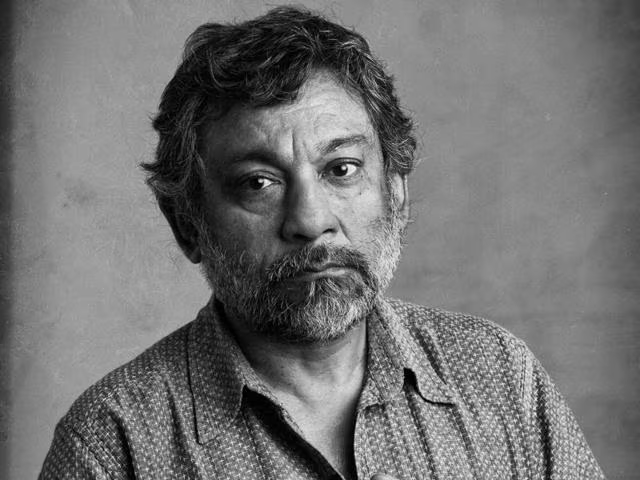
Pablo Bartholomew emerged as an important figure in Indian photography from the 1970s onward.
His work has covered conflict, social change, culture and everyday life. He is also widely recognised for his documentation of the Bhopal gas tragedy, where his photographs became part of the visual record of one of India’s worst industrial disasters.
Bartholomew’s work demonstrates the difficult position of the photojournalist: being close enough to document suffering while trying to preserve the integrity of the moment.
His photographs have also explored India’s people and communities beyond the headlines, creating a more complex portrait of the country.
Prashant Panjiar: Photography and Social Change
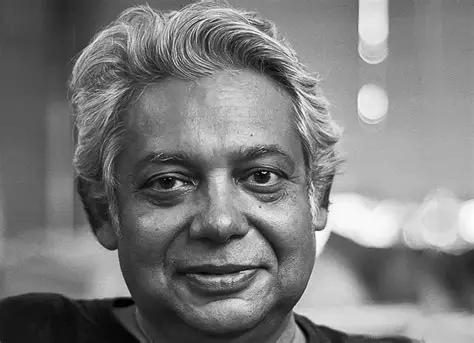
Prashant Panjiar has spent decades documenting India’s political, social and cultural landscape.
His work has appeared in leading publications and has covered subjects ranging from politics and conflict to ordinary life across different parts of the country.
Rather than treating photography merely as illustration, Panjiar has approached it as a way of examining how Indian society is changing.
His images reflect the contradictions of a rapidly transforming country — traditional and modern, rural and urban, hopeful and uncertain.
Dayanita Singh: Expanding the Idea of Indian Photography
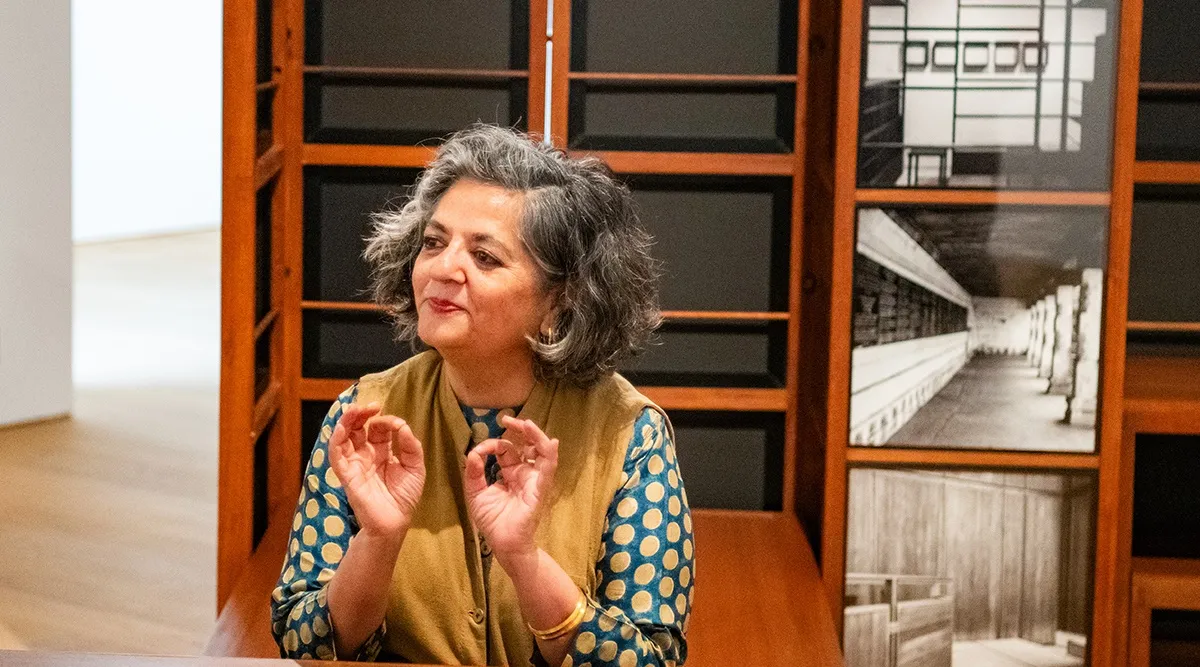
While not traditionally described only as a photojournalist, Dayanita Singh has played an influential role in shaping contemporary Indian photography.
Her work often explores memory, cities, relationships and the quiet details of everyday life.
Singh’s photography reminds us that documenting India does not always require dramatic events. A room, a workplace, an archive or an ordinary street can also tell a story about a society.
Her work has helped expand the understanding of what Indian photography can be.
Danish Siddiqui: A Camera at the Centre of Crisis
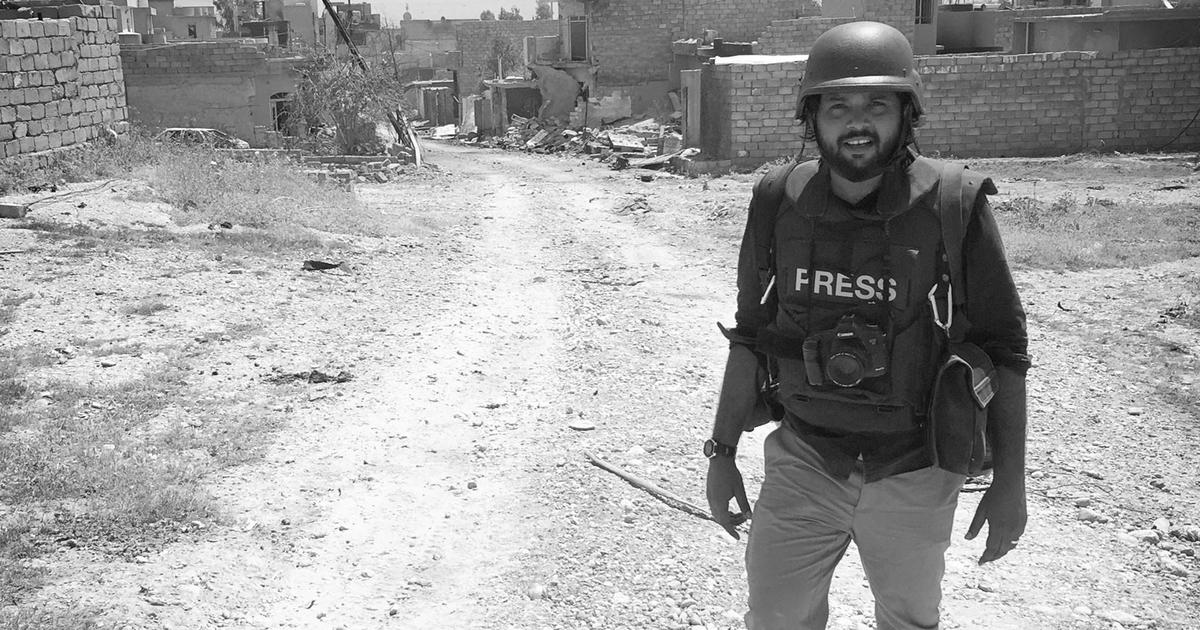
The late Danish Siddiqui became one of India’s most recognised contemporary photojournalists.
Working with Reuters, he covered some of the defining events of the 21st century, including conflicts, political developments, protests and the COVID-19 pandemic in India.
His pandemic photographs, particularly those documenting overcrowded hospitals, cremation grounds and families dealing with loss, brought the human scale of the crisis to audiences around the world.
Siddiqui was killed while covering the conflict in Afghanistan in 2021.
His career reflected the risks that photojournalists continue to face while working in dangerous environments.
The Power of News Photography
Indian photojournalism has also been shaped by photographers who have worked behind the scenes of major news organisations, documenting political events, public movements and social change.
Their work rarely receives the same attention as the stories themselves,yet photographs often become the images through which those stories are remembered.
A headline may disappear from a newspaper archive. A powerful photograph can remain in public memory for decades.
A Picture That Outlives Its Moment
India’s photojournalists have documented a country undergoing enormous change.
They have photographed independence and conflict, political leaders and ordinary citizens, disasters and celebrations, poverty and progress.
Their work reminds us that history is not made only in government buildings or written in official documents. It also exists in the faces of people, the streets of cities and the fleeting moments captured by a camera.
This World Photography Day, their work offers a simple reminder: Sometimes, the most powerful way to remember history is to see it.