On Saturday, March 28 the Houthi rebels joined the Iran–US–Israel war. Their military spokesperson, Brigadier-General Yahya Saree, announced that they had fired ‘a barrage of ballistic missiles’ toward Israel. He added that they hit ‘sensitive Israel military sites,’ while Israel confirmed that it had intercepted one missile from Yemen. This marks an expansion of the West Asia conflict as it enters a new month. With the rebels’ entry into the war they have now opened up a third front for Israel who is already engaged in attacks from Iran, Hezbollah from Southern Lebanon and now Yemen.
Why Yemen’s Rebels Opened a New Front
The Houthis are Iran’s biggest non-state ally. The rebel group had already hinted that they would be joining the war if other allies joined the US and Israel in their war against Iran. Their strikes are mainly in response to the increased military campaign by the US and Israel in the past few days. This move has also strengthened Iran’s position in the negotiation talks with the United States.
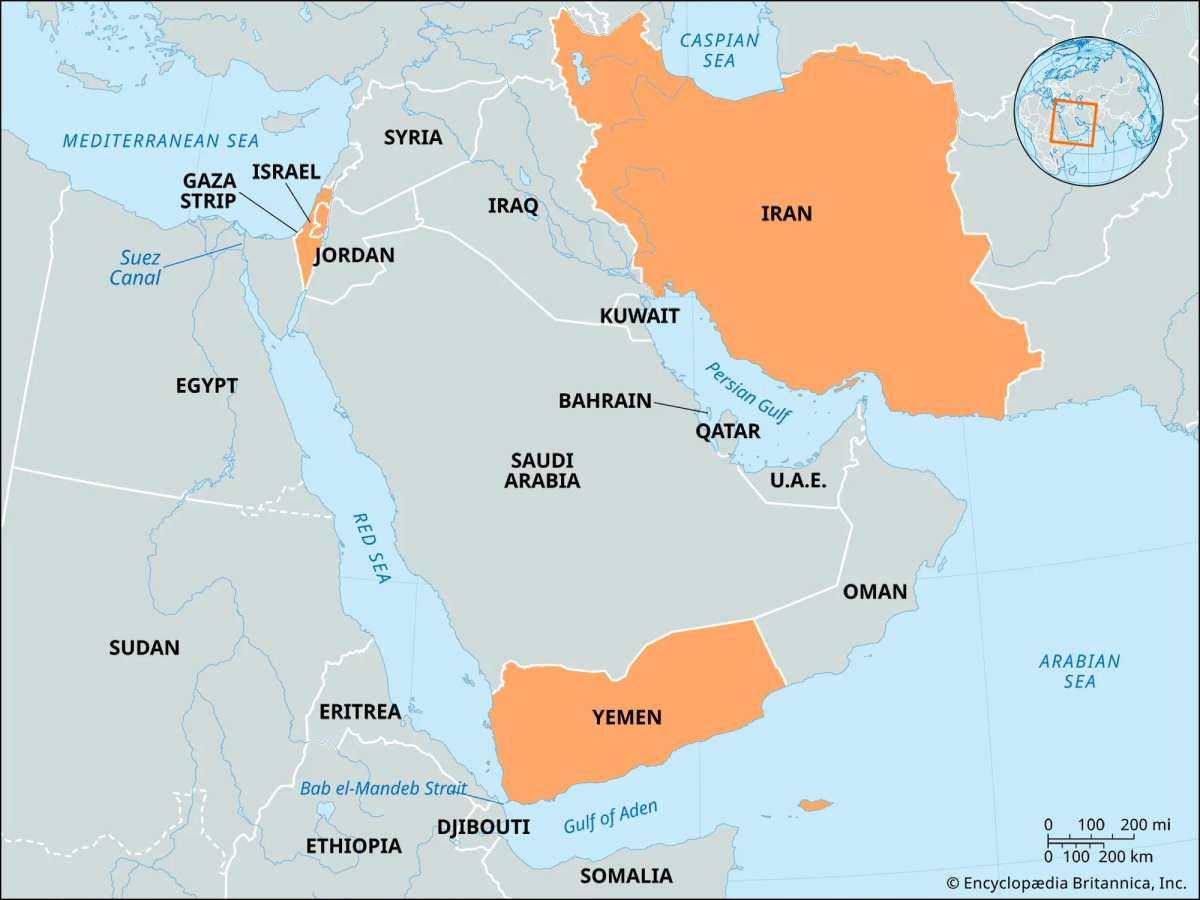
Strategically, the Houthis hold a geographical advantage. They have access to the Bab al-Mandeb Strait, which is a narrow chokepoint between the Horn of Africa and Yemen. The strait handles 12% of global maritime trade and is vital to the international supply chain. The disruption in the Bab al-Mandeb along with Iran’s blockade over the Strait of Hormuz can have a huge impact on trade and the energy economy. Various countries are already seeing adverse effects, especially in the energy sector, including the Philippines, who has already declared a national energy emergency.
This is also not the first time the Houthis have disrupted the Red Sea route. In November 2023, during Israel’s genocide in the Gaza Strip, they had fired missiles and drones against Israeli vessels passing through the Bab al-Mandeb Strait. Additionally, Saudi Arabia, with the closure of the Hormuz Strait, is highly dependent on this vital waterway. If further interference is caused in the Red Sea, there is a high chance that Saudi will take an active part in the conflict, widening the regional instability.

Who are the Houthis?
Houthis are a rebel group that originated in the northern province of Saada in Yemen. They are a Zaydi Shia community, which makes up more than 35% of the Yemeni population. They emerged in the 1990s to limit the growing influence of Saudi-backed Salafism in Yemen and to fight against corruption in the country, which they believed was their religious duty. After the assassination of their leader in 2004 and the subsequent revolution during the Arab Spring, they emerged as a major force, especially in the northern parts of Yemen. A Saudi-led Arab coalition was started, called Operation Decisive Storm, to curb their influence in Yemen. Yet they now control large areas of Yemen, including their capital city, Sanaa.
They are also part of Iran’s ‘axis of resistance’ which includes Hezbollah in Lebanon, Hamas in the Gaza Strip and other groups in Iraq and Syria. The Houthi movement is officially called ‘Ansar Allah,’ which can be translated to ‘Helpers of God’.