Hyderabad: The Telangana government’s plan to take over operations of the Hyderabad Metro Rail has encountered a fresh hurdle, with the Central government proposing an alternative Rapid Rail Transit System (RRTS) model for the upcoming expansion phases.
The development comes at a time when the state was preparing to move forward with acquiring L&T Metro Rail Hyderabad (L&TMRH) from Larsen & Toubro (L&T), aiming to operate the metro as a government-run system. However, the Centre’s proposal has introduced a new direction for the project.
RRTS Proposed for Phase II Expansion
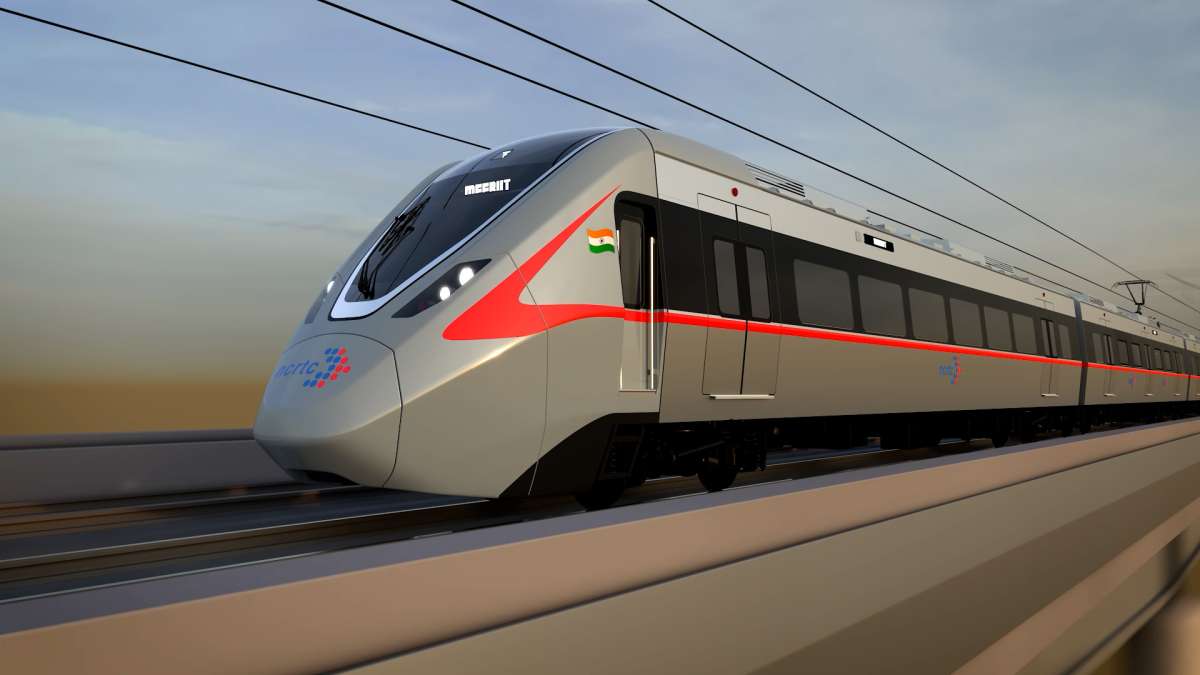
According to sources, the Centre has suggested implementing the RRTS model for Hyderabad Metro Phase II (76.4 km) and Phase 2B (86.1 km). The system is designed for higher speeds and longer-distance connectivity, making it suitable for the proposed expansion corridors.

The suggested Phase II routes include:
- Patancheru – Lakdikapul/Aramghar: 46.2 km
- Raidurg – Kokapet: 9.6 km
- RGIA – Hayathnagar: 43.6 km
- MGBS – Chandrayangutta: 6.7 km
Under Phase 2B, additional corridors proposed are:
- RGIA – Future City: 39.6 km
- JBS – Medchal: 24.5 km
- JBS – Shamirpet: 22 km
Cost and Planning Considerations
Officials from the Ministry of Housing and Urban Affairs (MoHUA) have indicated that the RRTS model could offer cost advantages compared to conventional metro systems. Preliminary assessments have also suggested incorporating around 6.5 km of underground corridors in critical stretches to reduce land acquisition challenges.
However, concerns have been raised over complex stretches such as Raidurg–Lakdikapul and Mehdipatnam–Aramghar, where existing flyovers and dense urban infrastructure could significantly increase project costs.
Impact on the State’s Metro Takeover Plan
If the RRTS proposal is accepted, it could alter the Telangana government’s strategy to acquire L&T’s stake in the existing metro system. Under the new approach, L&T would continue operating the current Phase I network, while new corridors would be developed separately under the RRTS framework.
The existing Hyderabad Metro Phase I spans 69.2 km across three corridors and has been operational under L&T since its launch. The state had been exploring a full takeover model similar to metro systems in other major cities.
What Happens Next?
Sources indicate that discussions between the State and Central governments are ongoing. While the RRTS proposal is being evaluated, the final decision is expected after a detailed assessment during the Detailed Project Report (DPR) stage.
The outcome will play a key role in shaping the future of Hyderabad’s public transport system, particularly in terms of speed, connectivity, and cost efficiency for the city’s expanding urban footprint.