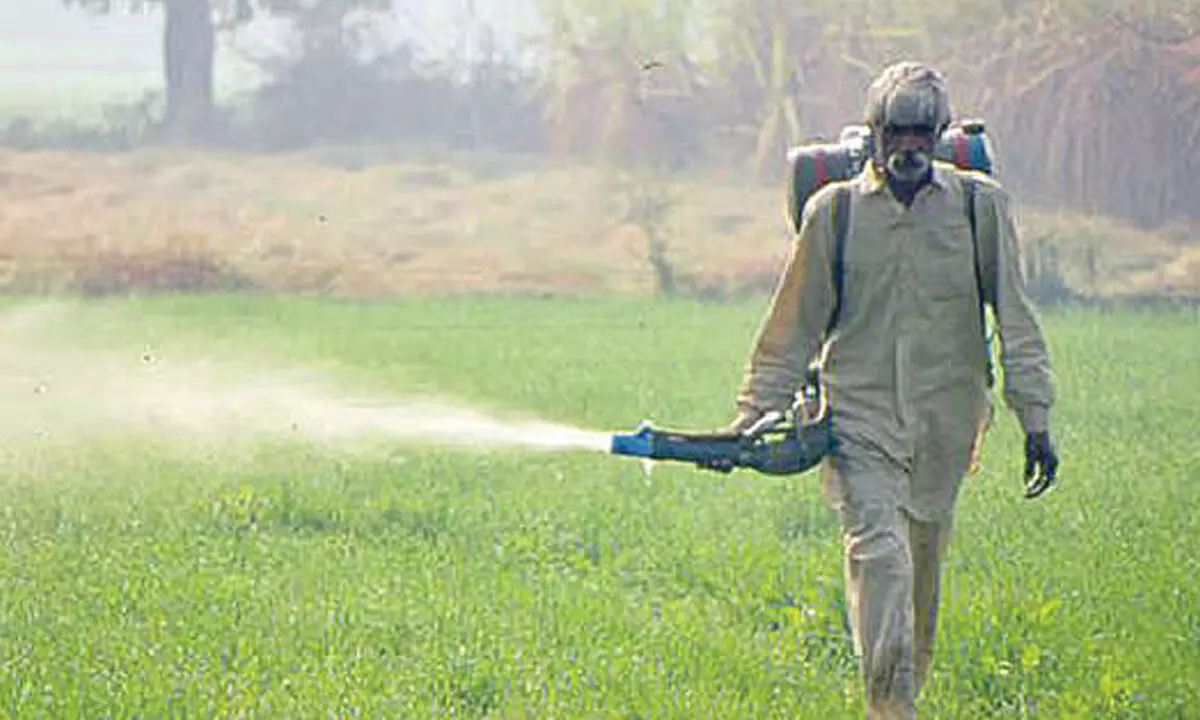
Hyderabad is facing a severe shortage of urea during the critical Kharif season. This has led to tension between the Telangana state government and the Central government. Thousands of farmers are struggling to get the necessary fertilizer, caught in a political tug-of-war.
The Telangana government blames the Centre for not providing enough urea, while the Union government claims it has given ample support. Urea is crucial for boosting grain productivity in India. Farmers in Telangana are waiting in long lines at distribution centers, often leaving empty-handed.
Chandrasekhar, a farmer from Mahabubnagar district, shared his frustration at an event in Hyderabad. Despite farming 5-10 acres, he can’t get enough urea. He mentioned bio-fertilizers as an alternative but said their supply is also limited. He urged both governments to cooperate and solve the shortage instead of pointing fingers.

Aditya Mekala, a small farmer from Kandwada, has turned to organic farming due to the scarcity. He grows vegetables and mangoes, hoping to enter export markets. He criticized both governments for ignoring farmers’ needs.
Industry leaders also voiced concerns. Vijay, CEO of AgriFriend, noted a 30% shortage in Telangana and suggested importing from countries like China and Vietnam. He stressed the need for stable supplies, highlighting that sustainable farming can improve soil quality and reduce costs.
The political dispute continues. Union Minister G Kishan Reddy accused Telangana of redirecting urea to the black market. He claimed the state had sufficient opening stock for the Kharif season but created artificial scarcity. Despite global price increases, he noted that the Centre has kept urea prices at Rs 265 per bag for over a decade, heavily subsidizing farmers.
In response, Telangana Industries Minister D. Sridhar Babu assured farmers there would be no urea shortage, dismissing opposition claims as false. As tensions rise between Hyderabad and New Delhi, Telangana’s farmers remain worried. With the sowing season in progress, experts stress the importance of resolving this issue quickly to ensure good crop yields and restore farmers’ trust in the system.