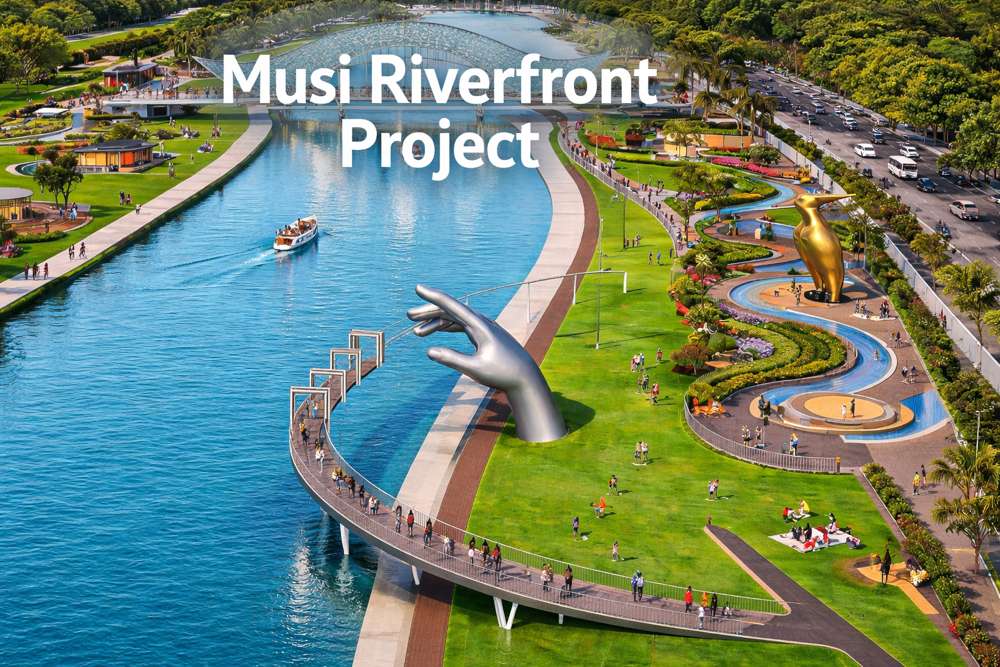
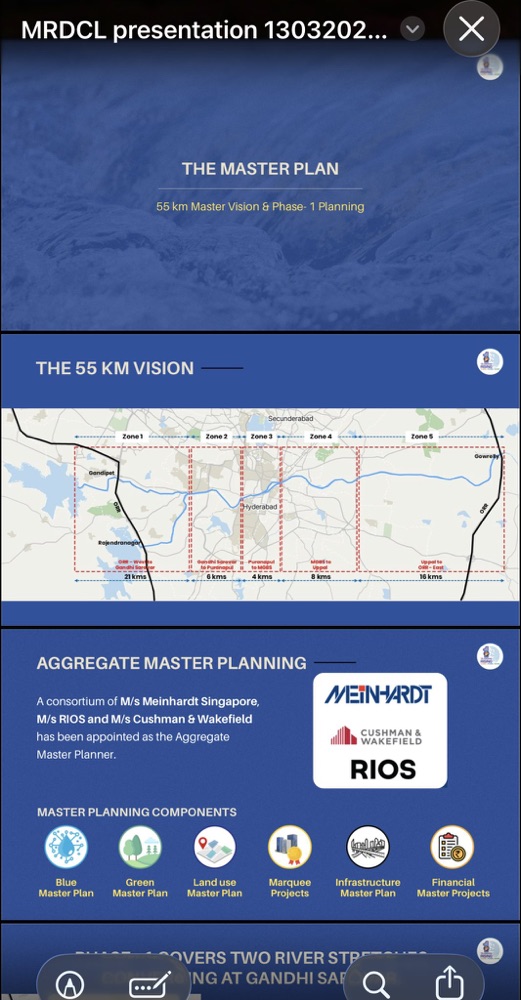
The Telangana Government’s Musi Riverfront Development Project, one of the most ambitious urban transformation plans for Hyderabad, is moving into its detailed planning stage as authorities review the final masterplan for the river corridor. The project aims to rejuvenate the Musi River and transform its surrounding areas into a modern riverfront zone with improved infrastructure, environmental restoration, and public spaces.
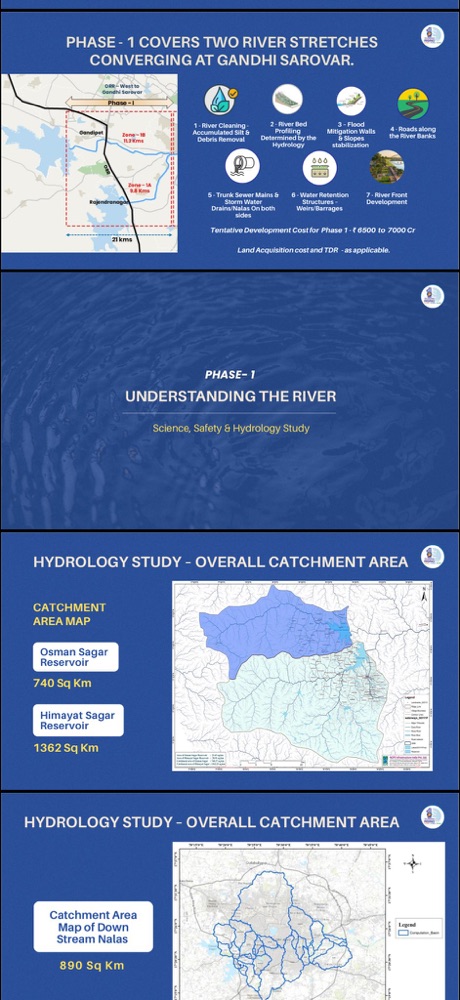
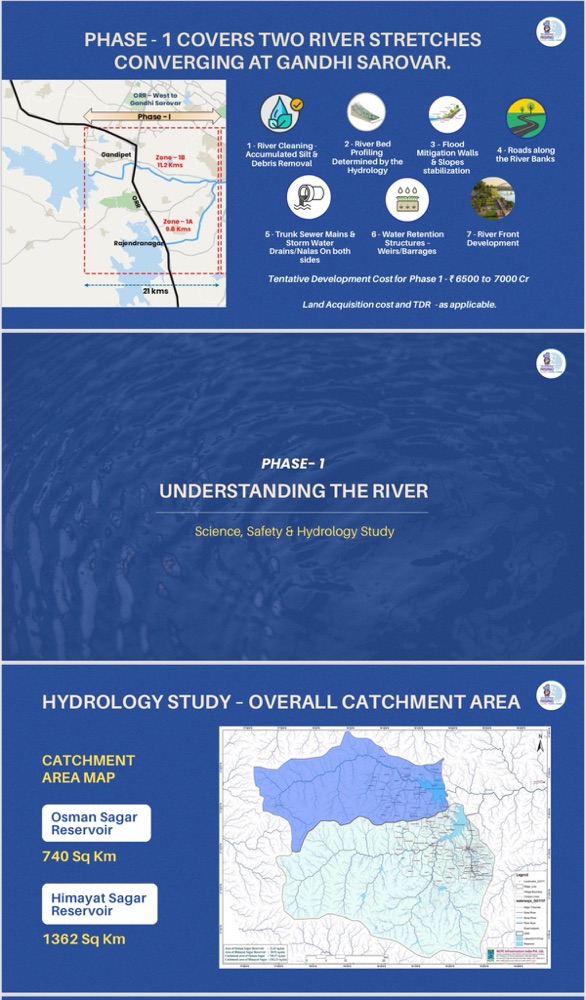
Officials from departments including the Hyderabad Metropolitan Development Authority (HMDA), Municipal Administration, Irrigation, and Revenue departments have been reviewing the design proposals and implementation strategies. The project covers several stretches of the Musi flowing through Hyderabad and is expected to introduce riverfront promenades, parks, pedestrian zones, cycling tracks, tourism infrastructure, and improved urban connectivity.
Major Urban Renewal Plan for Hyderabad
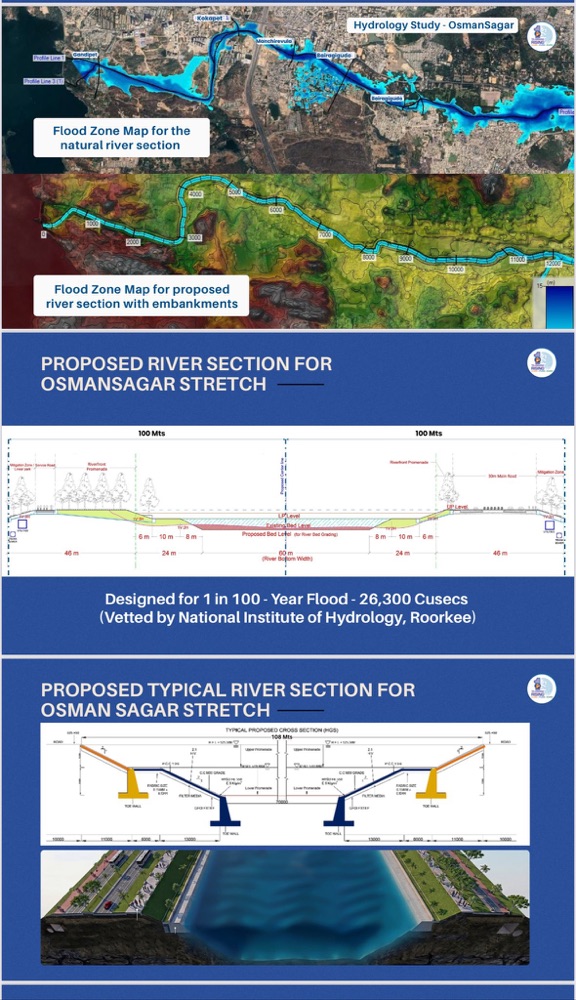
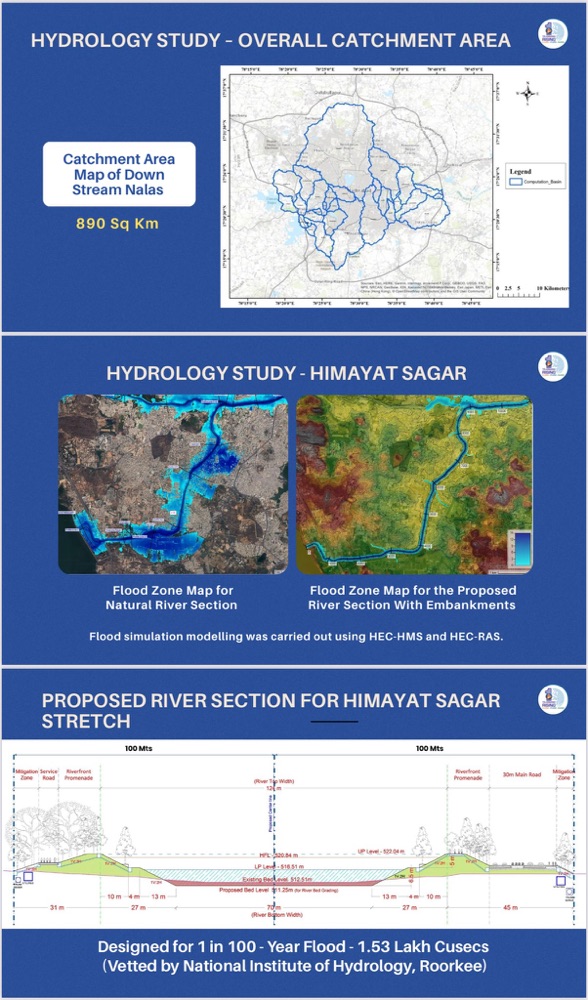
The proposed development focuses on improving the ecological health of the Musi River while creating a large urban public space. Plans include the construction of sewage treatment systems, riverbank protection structures, flood management infrastructure, and green corridors along the river.

The government has stated that the project will address long-standing issues such as untreated sewage entering the river, encroachments along the riverbanks, and flooding during heavy rains. Authorities believe the initiative will help restore the river’s environmental condition while creating a new urban landmark for Hyderabad.
Opposition From Residents Over Structure Acquisition
However, the project has sparked significant opposition from residents and activists as thousands of existing structures fall within the proposed development corridor. Reports indicate that nearly 10,000 structures located along the Musi riverbanks could be affected during the project’s implementation.
Many families living in settlements along the river have expressed concern about possible displacement and loss of homes. Residents have demanded clear rehabilitation policies, fair compensation, and relocation plans before any demolition or acquisition process begins.
Civil society groups and urban activists have also raised concerns about the scale of the proposed clearances, urging the government to ensure that the project is implemented in a way that protects the rights and livelihoods of affected communities.
Government Assures Fair Rehabilitation
Chief Minister A. Revanth Reddy has addressed the concerns, stating that the government is committed to carrying out the project with a humanitarian approach. He emphasized that the goal of the Musi Riverfront Development is not only to beautify the city but also to create a cleaner and safer environment for future generations.
The Chief Minister reportedly stated that the government will ensure proper rehabilitation, alternative housing, and compensation for families who may be affected by the project. According to officials, detailed surveys are being conducted to identify eligible residents and prepare relocation plans.
Masterplan Images to Outline Project Vision
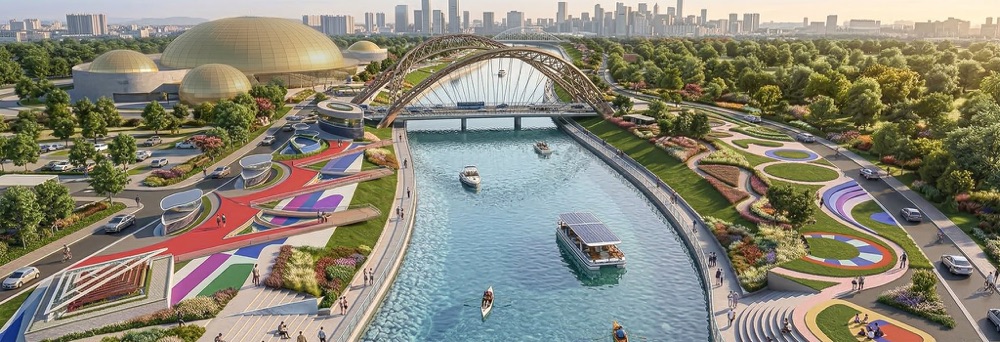
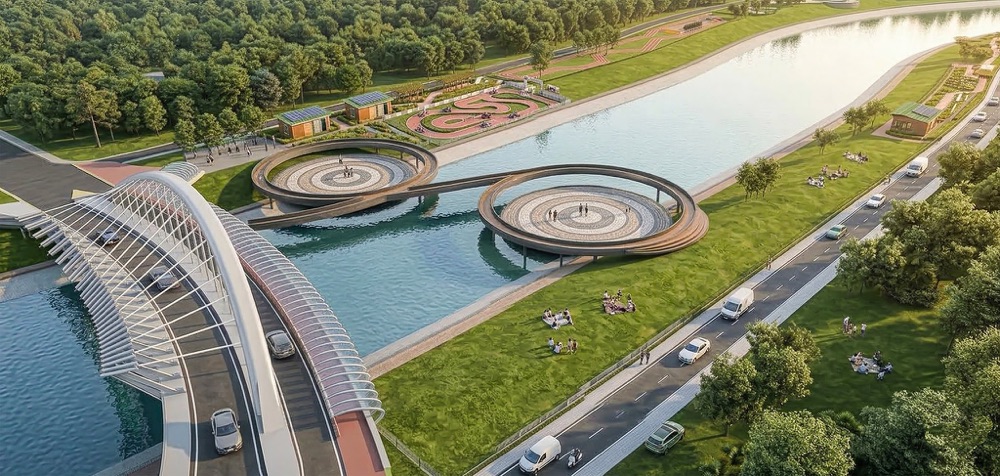
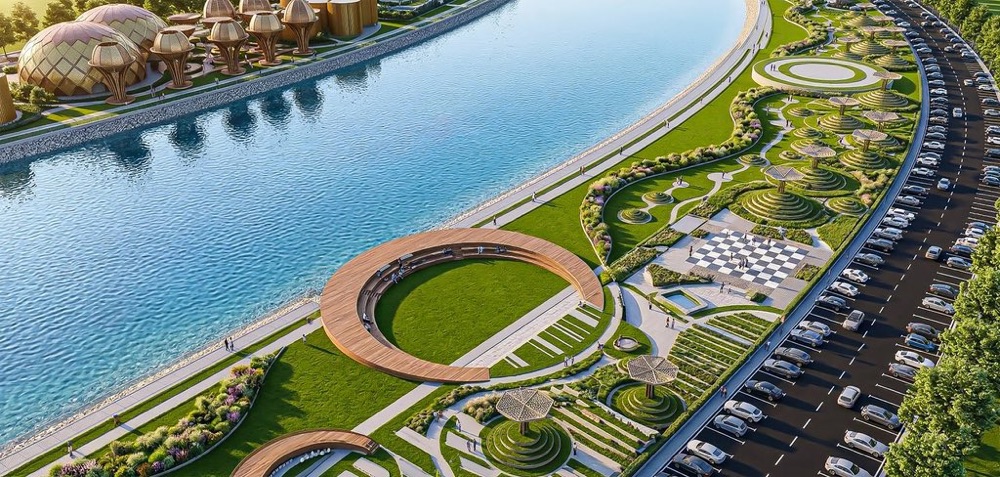
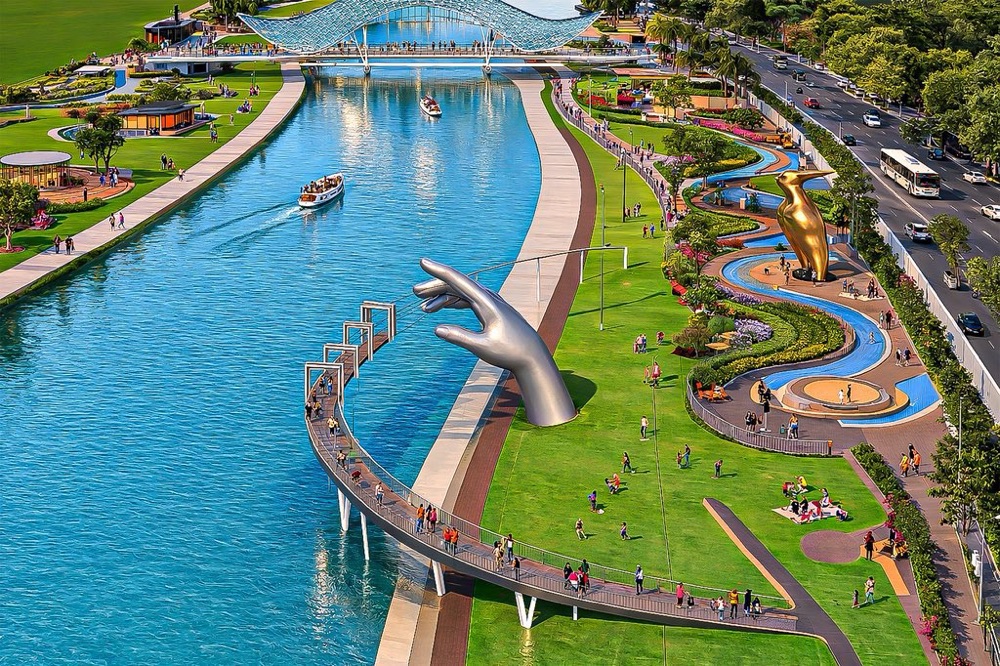
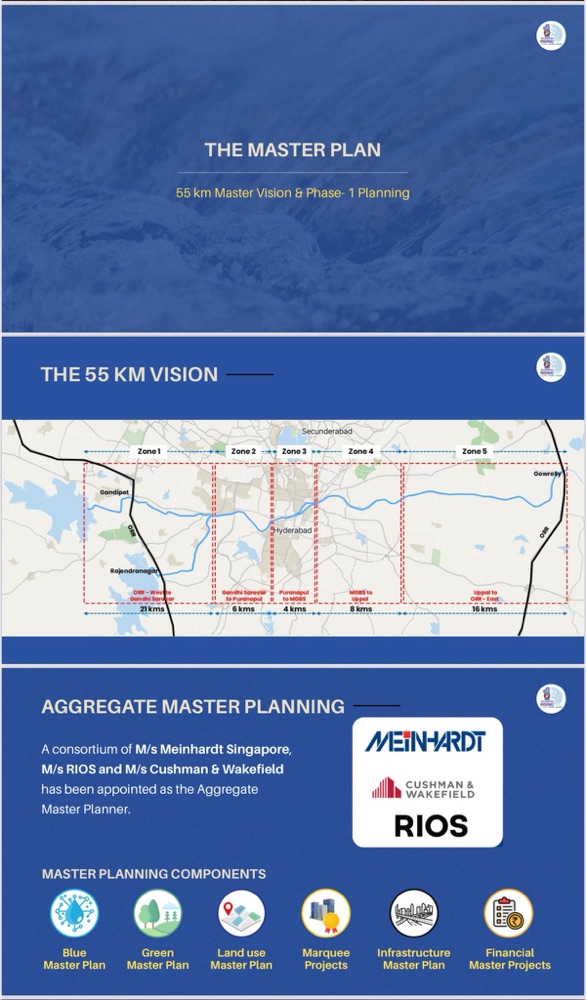
Several conceptual masterplan images and design layouts have been prepared as part of the planning process. These visuals illustrate the proposed riverfront transformation, including landscaped riverbanks, cultural zones, tourism spaces, and improved infrastructure.
The government plans to share these masterplan visuals publicly to explain the long-term vision of the project and gather feedback from stakeholders.
One of the Largest Urban Projects in Telangana
The Musi Riverfront initiative is expected to become one of the largest urban redevelopment projects in Telangana. Authorities believe that once completed, the project could transform the Musi corridor into a major recreational, cultural, and environmental hub while improving flood control and urban infrastructure across Hyderabad.
As planning progresses, the challenge for the government will be balancing large-scale urban development with the concerns of residents living along the riverbanks. The coming months are expected to determine how the project moves forward amid both expectations and opposition.