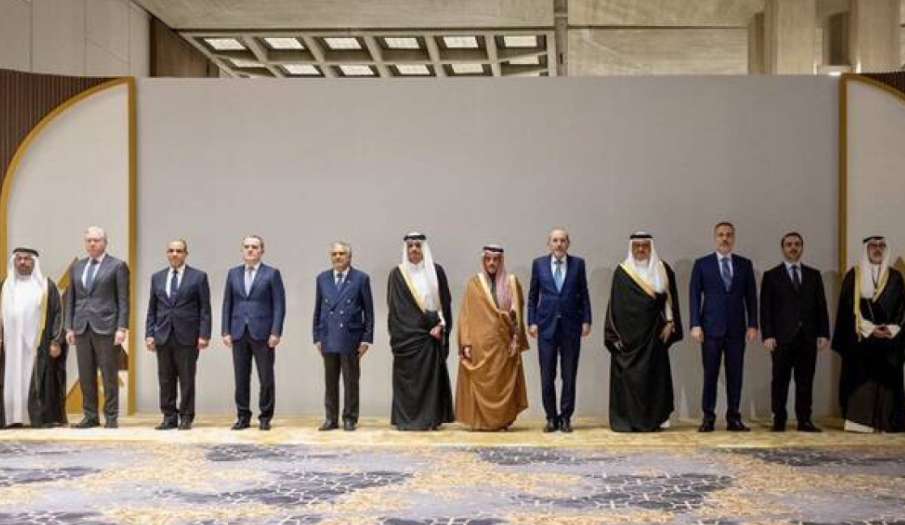
Amid escalating tensions in West Asia, foreign ministers from across the region came together for a diplomatic meeting. They met in Riyadh, Saudi Arabia, on 18 March to address the escalating regional crisis. The ministers of Saudi Arabia, UAE, Qatar, Kuwait, Bahrain, Egypt, Jordan, Syria, Turkey, Pakistan, Azerbaijan, and Lebanon came together. These countries have been impacted in different ways following the joint Israel-US aggression against Iran on 28 February. Iran retaliated by causing disruption across the region, particularly targeting US assets and critical energy infrastructure in its neighbouring countries.
Call for De-escalation
The 12 ministers condemned Iran’s assault on their lands and urged Tehran to halt further provocative actions. They emphasized that attacks on infrastructure and harm to civilians cannot be justified under any circumstances. The countries reaffirmed their right to self-defence under Article 51 of the UN Charter.
They further insisted that threats targeting crucial routes such as the Strait of Hormuz and Bab al-Mandab must end. Calling for an immediate cessation of hostilities, they described it as a necessary first step toward de-escalation. They also condemned Israel’s actions against Lebanon and its expansionist policy in the region. The Saudi Foreign Minister Prince Faisal bin Farhan further stressed that Iran must rethink its actions and end aggression against its neighbours adding that it has not ruled out military action against Iran.

Meanwhile the renewed escalation came after Israel’s attack on the Iranian South Pars gas field, which is the largest gas field in the world. Iran retaliated with repeated strikes on energy infrastructure across Gulf countries, including Saudi Arabia, UAE, and Qatar. This marks an escalation to the Iran-US war, which is entering its 21st day.