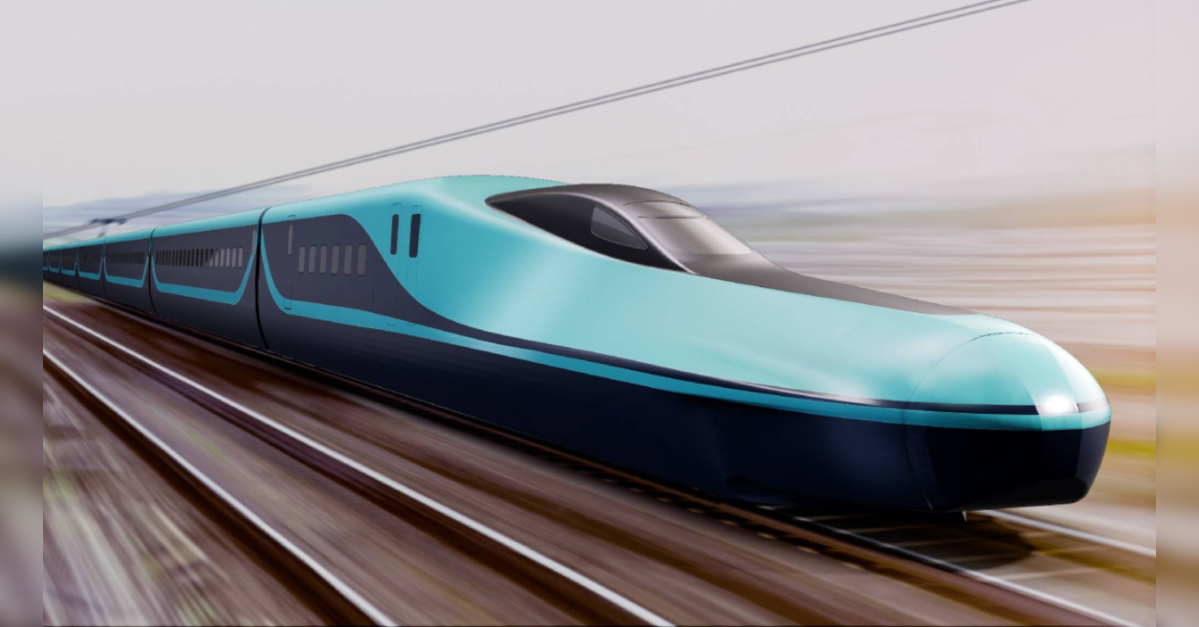
Hyderabad: The proposed Hyderabad–Mumbai High-Speed Rail Corridor, one of India’s most ambitious upcoming bullet train projects, has reached a major milestone with the completion of its Detailed Project Report (DPR). The corridor is expected to connect Hyderabad and Mumbai in approximately three hours, significantly reducing the current rail travel time of over 15 hours.
According to information shared during recent government reviews and reports, the proposed high-speed rail corridor will span approximately 761 kilometres and is estimated to cost around ₹2 lakh crore. Construction activities are expected to begin around 2027-28, subject to approvals, funding arrangements and land acquisition.
Key Telangana Route and Stations
The proposed alignment will begin in the Hyderabad metropolitan region and pass through important growth corridors in Telangana before entering Karnataka and Maharashtra.
Proposed stations include:
- Kokapet (Telangana)
- Shamshabad Airport (Telangana)
- Vikarabad (Telangana)
- Kalaburagi (Karnataka)
- Solapur (Maharashtra)
- Pandharpur (Maharashtra)
- Baramati (Maharashtra)
- Pune (Maharashtra)
- Pimpri-Chinchwad (Maharashtra)
- Lonavala (Maharashtra)
- Navi Mumbai (Maharashtra)
- Thane (Maharashtra)
- Vikhroli (Mumbai Metropolitan Region)
Officials have also indicated that land will be required around Kokapet and Shamshabad for high-speed rail facilities, including depots and associated infrastructure.
Shamshabad Emerging as National Bullet Train Hub
With the Hyderabad–Mumbai corridor, along with the proposed Hyderabad–Chennai and Hyderabad–Bengaluru bullet train projects, Shamshabad is expected to emerge as one of India’s most important high-speed rail hubs.
The Telangana government has already announced plans to allocate land near Shamshabad and Bharat Future City for a major bullet train terminal and supporting infrastructure. Once completed, Hyderabad could become one of the few cities in India connected to multiple metropolitan regions through high-speed rail.
Speeds of Up to 350 kmph Expected
The proposed corridor is expected to use advanced high-speed rail technology capable of operating at speeds between 320 kmph and 350 kmph. At these speeds, passengers could travel between Hyderabad and Mumbai in around three hours, making it a competitive alternative to air travel when airport transit and security time are considered.
The project is also expected to feature a combination of elevated sections, tunnels and grade-separated tracks to ensure uninterrupted high-speed operations.
Economic Impact
The corridor is expected to improve connectivity between two of India’s most important economic regions. Hyderabad’s technology, pharmaceutical and manufacturing sectors will gain faster access to Mumbai’s financial and commercial ecosystem.
Industry experts believe the project could boost investments, tourism, logistics, business travel and real estate development along the corridor. Cities such as Vikarabad, Kalaburagi, Solapur and Pandharpur could also benefit from improved connectivity and economic opportunities.
Challenges Ahead
While the DPR has been completed, the project still faces significant challenges, including funding approvals, environmental clearances and large-scale land acquisition across Telangana, Karnataka and Maharashtra. High-speed rail projects typically require several years of construction before becoming operational.
However, the completion of the DPR marks an important step forward and signals that the Hyderabad–Mumbai Bullet Train Corridor is steadily moving from the planning stage towards implementation.
Project Snapshot
| Project | Hyderabad–Mumbai High-Speed Rail Corridor |
|---|---|
| Length | Approximately 761 km |
| Estimated Cost | ₹2 lakh crore |
| Expected Travel Time | Around 3 hours |
| Maximum Speed | 320–350 kmph |
| Status | DPR Completed |
| Expected Construction Start | 2027-28 |
| Key Telangana Stations | Kokapet, Shamshabad Airport, Vikarabad |
If implemented as planned, the Hyderabad–Mumbai Bullet Train project will become one of India’s largest transportation infrastructure projects and could transform travel between Telangana, Karnataka and Maharashtra while strengthening Hyderabad’s role as a major national transportation hub.