Sometimes, a diplomatic gift tells a story far greater than the object itself.
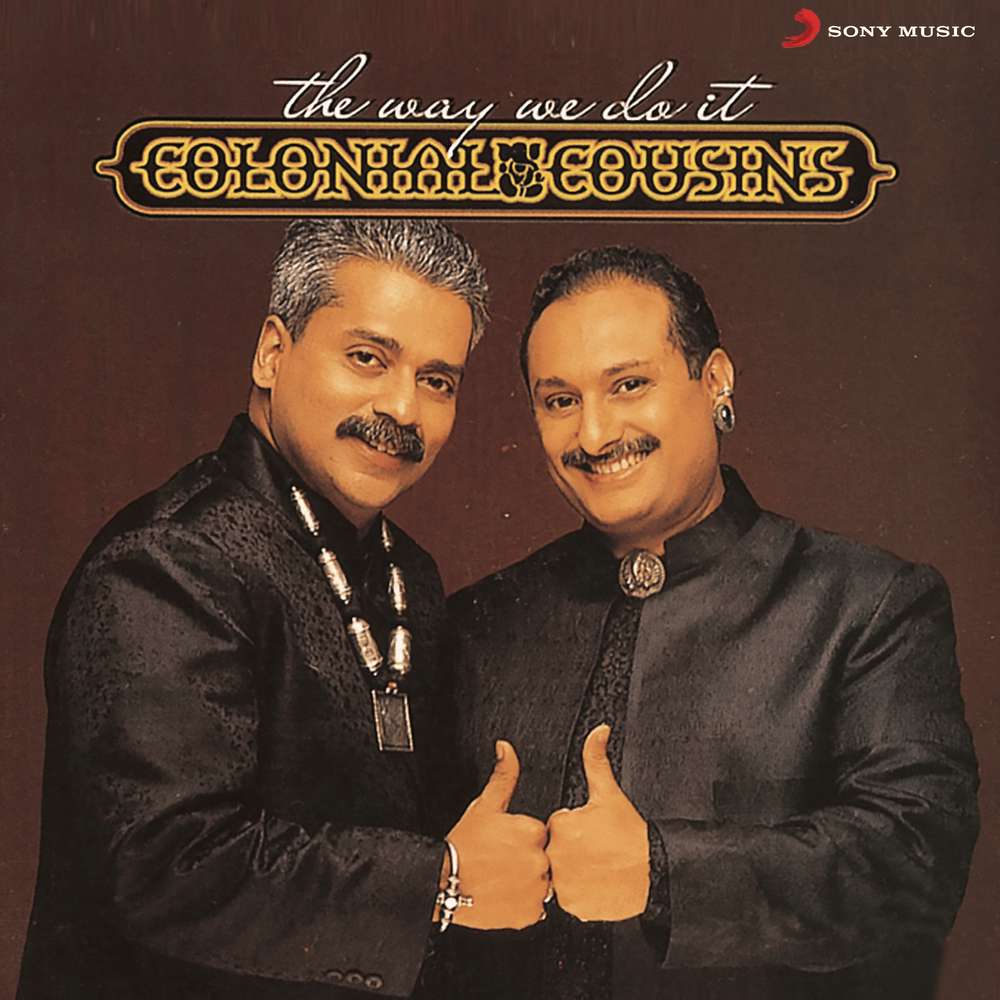
When Prime Minister Narendra Modi recently presented Australian Prime Minister Anthony Albanese with a vinyl edition of Colonial Cousins, it was more than a nostalgic musical keepsake. It was a reminder of an album that quietly transformed Indian music in the mid-1990s, one that proved Indian classical traditions could converse with Western pop without losing their identity. Nearly three decades after its release, Colonial Cousins continues to feel remarkably contemporary.
A Collaboration Born by Chance
Like many memorable artistic partnerships, Colonial Cousins began unexpectedly. In the early 1990s, Hariharan, already celebrated for his ghazals and playback singing, met composer and musician Lesle Lewis while recording advertising jingles in Mumbai. During an impromptu jam session while waiting for a recording, they discovered an effortless musical chemistry—Hariharan’s Hindustani and Carnatic classical roots blending seamlessly with Lewis’s Western pop and rock sensibilities.
Even the band’s name carried meaning. Hariharan came across the phrase “Colonial Cousins” during a visit to London, where it referred to people connected by a shared colonial past. The name perfectly reflected the duo’s vision of bringing together different musical traditions while celebrating both equally. Their self-titled debut album, released in 1996, redefined India’s independent music landscape.
A Meeting of Two Musical Worlds
The brilliance of Colonial Cousins lay in its contrast.
Hariharan brought with him years of training in Hindustani classical music and ghazal singing. His voice carried centuries of Indian musical tradition. Lesle Lewis, meanwhile, represented contemporary Western pop, rock, and electronic arrangements.
Instead of allowing one style to dominate the other, the duo created music where both traditions breathed together naturally.
Songs like Krishna, Sa Ni Dha Pa, and Indian Rain were neither purely classical nor entirely pop. They occupied a space that few Indian musicians had explored before—a space where ragas met synthesisers, devotional themes met contemporary rhythms, and East met West without compromising either.
The Soundtrack of a Changing India
The album arrived during a fascinating period in India’s history.
The 1990s were marked by economic liberalisation, satellite television, MTV, and increasing exposure to global popular culture. India was opening itself to the world while simultaneously rediscovering its own identity.
Colonial Cousins captured this cultural moment perfectly.
Its music reflected an India that was confident enough to embrace international influences without abandoning its roots. For many young listeners, it became the soundtrack of a generation learning that modernity and tradition did not have to exist in opposition. Long before “global fusion” became a marketing term, Colonial Cousins demonstrated that cultural exchange could enrich rather than dilute artistic identity.
Before Fusion Became Fashion
Today, musical collaborations across cultures have become commonplace.
Artists effortlessly combine classical music with jazz, electronic dance music, folk traditions, hip-hop, and independent pop. Streaming platforms encourage experimentation, and audiences have become increasingly receptive to hybrid sounds.
But in 1996, such experimentation carried considerable risk.
The commercial music industry was largely divided between Bollywood soundtracks, Indipop, and classical music. There were few examples of albums that successfully crossed these boundaries while appealing to mainstream audiences. Colonial Cousins changed that.
The album won international recognition, including the MTV Asia Viewer’s Choice Award, while proving that audiences were ready for music that defied conventional labels.
Music That Never Felt Outdated
Perhaps the greatest achievement of Colonial Cousins is that it refuses to sound dated.
Many albums become trapped within the musical trends of their era. Colonial Cousins, however, remains remarkably fresh because it was never chasing trends to begin with. Its strength lay in melody, musicianship, and emotional honesty rather than fashionable production techniques.
Hariharan’s timeless vocals continue to resonate, while Lesle Lewis’s arrangements remain elegant without overwhelming the compositions.
More Than an Album
The title Colonial Cousins itself carried quiet symbolism.
It suggested that cultures shaped by colonial histories could engage in conversation rather than conflict. The album celebrated difference without erasing identity, demonstrating that artistic collaboration thrives not through imitation but through mutual respect.
That philosophy feels particularly relevant today. In an increasingly interconnected world, questions of cultural identity, authenticity, and global influence continue to shape artistic expression. Colonial Cousins offered one possible answer decades ago: traditions remain strongest when they are confident enough to evolve.
A Vinyl Worth Gifting
Perhaps that is why the recent diplomatic gift resonated with so many music lovers.
A vinyl record slows the act of listening. It asks us to sit with an album, appreciate its sequencing, admire its artwork, and experience music as a complete artistic statement rather than as isolated tracks shuffled by an algorithm.
Choosing Colonial Cousins was therefore more than an act of nostalgia. It was a celebration of an album that represents a modern India rooted in its cultural heritage while remaining open to the world.
The Legacy Lives On
Nearly thirty years later, Colonial Cousins continues to remind us that the most enduring music rarely belongs to a single tradition. It belongs to curiosity. It belongs to artists willing to experiment without losing themselves. And it belongs to listeners willing to embrace something beautifully unfamiliar.
Perhaps that is why Colonial Cousins still feels relevant today. It was never simply an album about fusion. It was about dialogue, between generations, between cultures, and between the past and the future.
Long before India became known for taking its culture to the world through yoga, cinema, cuisine, and art, Hariharan and Lesle Lewis had already shown that music, too, could become one of India’s most powerful cultural ambassadors.