The Government of Telangana has approved a series of major urban infrastructure projects worth over ₹2,280 crore to transform connectivity and reduce traffic congestion in Hyderabad. The administrative sanctions were granted through the Hyderabad Metropolitan Development Authority (HMDA) and HGCL, marking a significant push toward modernizing the city’s transport network.
The flagship initiative includes a ₹488 crore world-class Trumpet Interchange at Budvel, designed to serve as a new gateway to Hyderabad. This landmark infrastructure will connect Radial Road-2, Outer Ring Road (ORR), Budvel Layout, and the upcoming Musi Riverfront. The interchange aims to provide seamless regional connectivity and support the city’s expanding urban footprint.

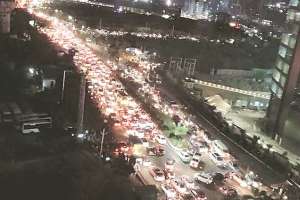
Among the most significant projects is the Elevated Corridor-III from ICCC to Shilpa Layout, sanctioned at ₹1,656 crore. This signal-free corridor will improve access between Banjara Hills, Film Nagar, HITEC City, and the ORR-Gachibowli area. The elevated corridor is expected to significantly decongest the city’s IT corridor, which currently faces heavy traffic during peak hours.
The government has also approved the Pipeline Road Development project from MGIT to Manikonda with a budget of ₹110 crore. This six-lane road will include junction improvements designed to ease traffic in Kokapet, Manikonda, Gandipet, Narsingi, and surrounding neighborhoods. The project addresses growing congestion in these rapidly developing residential and commercial zones.
A ₹26.5 crore widening project for the Outer Ring Road from Nanakramguda to Gachibowli has been sanctioned to eliminate bottlenecks near the Gachibowli flyovers. The expansion of the main carriageway will improve traffic flow in one of Hyderabad’s busiest technology hubs, where thousands of IT professionals commute daily.
All these infrastructure projects will be funded through HMDA Infrastructure Bonds, ensuring sustainable financing without burdening the state’s immediate fiscal resources. This financing model reflects the government’s commitment to long-term urban development while maintaining financial prudence.
The sanctioned projects are part of Telangana’s broader vision to build a faster, safer, and future-ready Hyderabad. The initiatives aim to support the city’s rapid growth, accommodate increasing vehicular traffic, and enhance the quality of life for residents across the metropolitan area.
These infrastructure developments come as Hyderabad continues to expand as a major technology and business hub in India. The projects are expected to improve connectivity between residential areas, commercial zones, and major employment centers, while reducing travel time and easing daily commute challenges for lakhs of citizens.